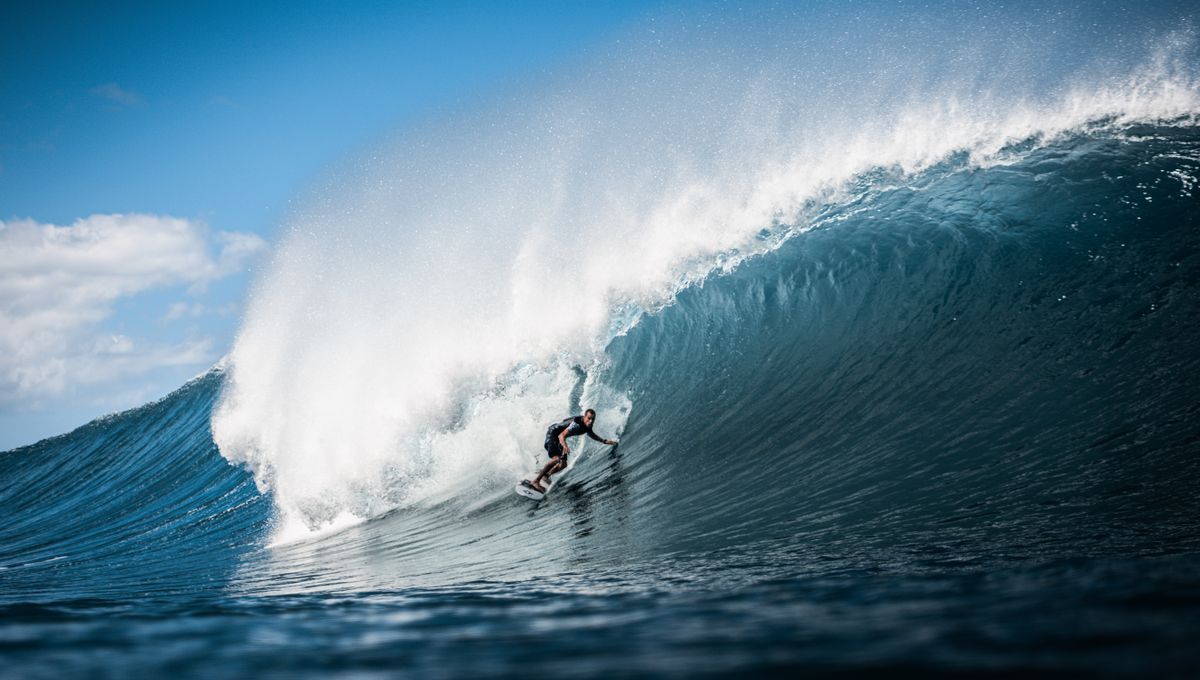
From the outside, surfing might look like nothing more than balancing on a wave, but it's actually a multi-layered sport combining ocean literacy, strength, and patience. Most beginners can't stand up on the board during their first lesson, and that's completely normal — even experienced surfers typically catch their first sustained wave ride only after 5-10 hours of practice.
What to Know Before Your First Lesson
The most critical decision for beginners is choosing the right board; long, wide "foam" boards provide far more stability and buoyancy than short performance boards, so they're almost always the right choice for the first few months. Equally important is learning to read wave conditions; for an inexperienced surfer, small, consistent "beach break" waves are a far safer starting point than powerful reef breaks.
How Much Physical Strength Does Surfing Actually Require?
Most of a surfer's time is actually spent paddling, not riding waves; over 90% of a surf session is spent lying prone on the board and paddling out toward open water. This demands serious shoulder and back endurance and is the most common source of fatigue beginners complain about. People who swim regularly or train on a rowing machine tend to start surfing far better prepared.
Safety: Respecting the Ocean
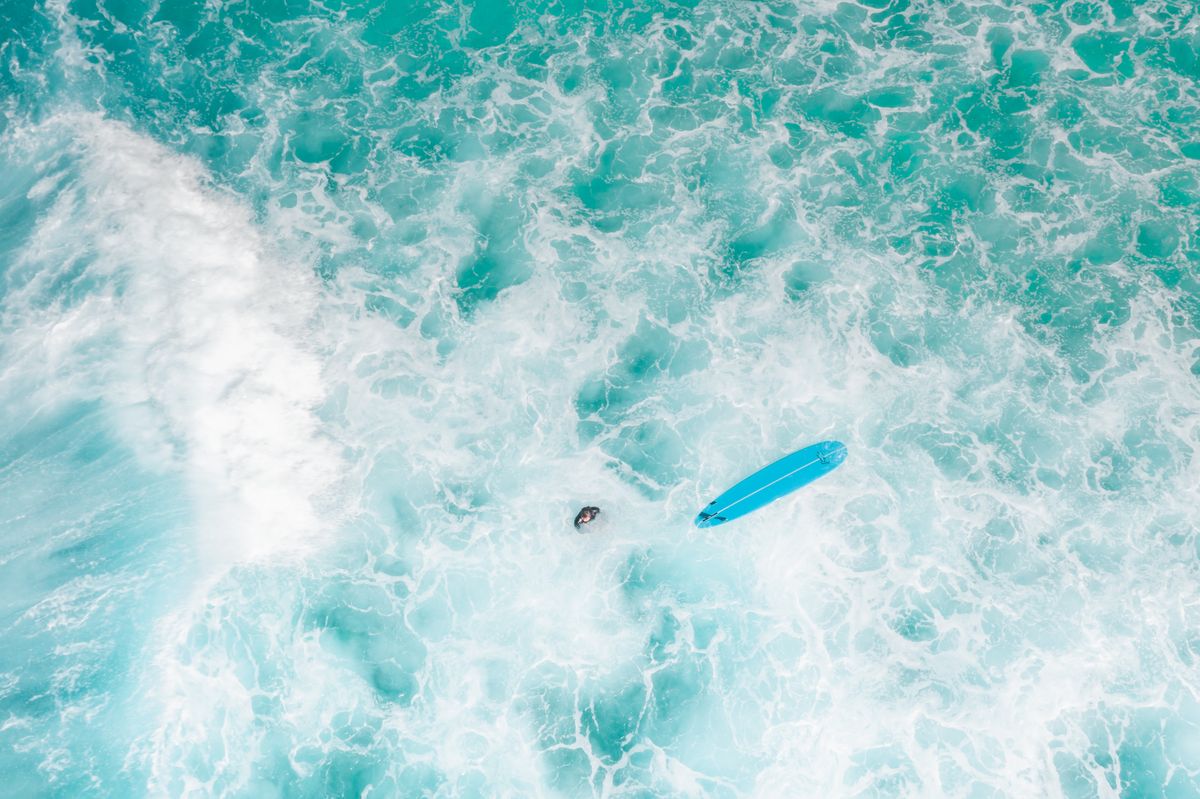
What sets surfing apart most from other sports is that it's played in an uncontrollable natural environment; rip currents, wave sets, and weather conditions are constantly changing. Beginners are always advised to start at a lifeguarded beach and, if possible, with an experienced instructor; staying calm rather than panicking when held under a wave, and waiting for it to pass, is the single most important survival skill.
3 Things to Know Before Starting Surfing
- Start With a Wide Board: Foam boards make learning balance far easier.
- Don't Neglect Paddle Strength: Most of a surf session is spent paddling.
- Learn Ocean Conditions: Reading currents and wave sets is the sport's most critical safety skill.
After the first few lessons, surfing is a sport almost anyone with patience can make progress in; the real key is not expecting fast results and treating your relationship with the ocean as an ongoing learning process rather than a race.