Handball is one of the most-watched team sports in Europe after football and basketball, yet it remains relatively unknown in North America and many other regions. Played by two seven-player teams trying to score by throwing the ball into the opponent's goal with their hands, this fast-paced game has been on the Olympic program since 1972 and draws millions of viewers to professional leagues across Europe.
The Basic Rules of Handball
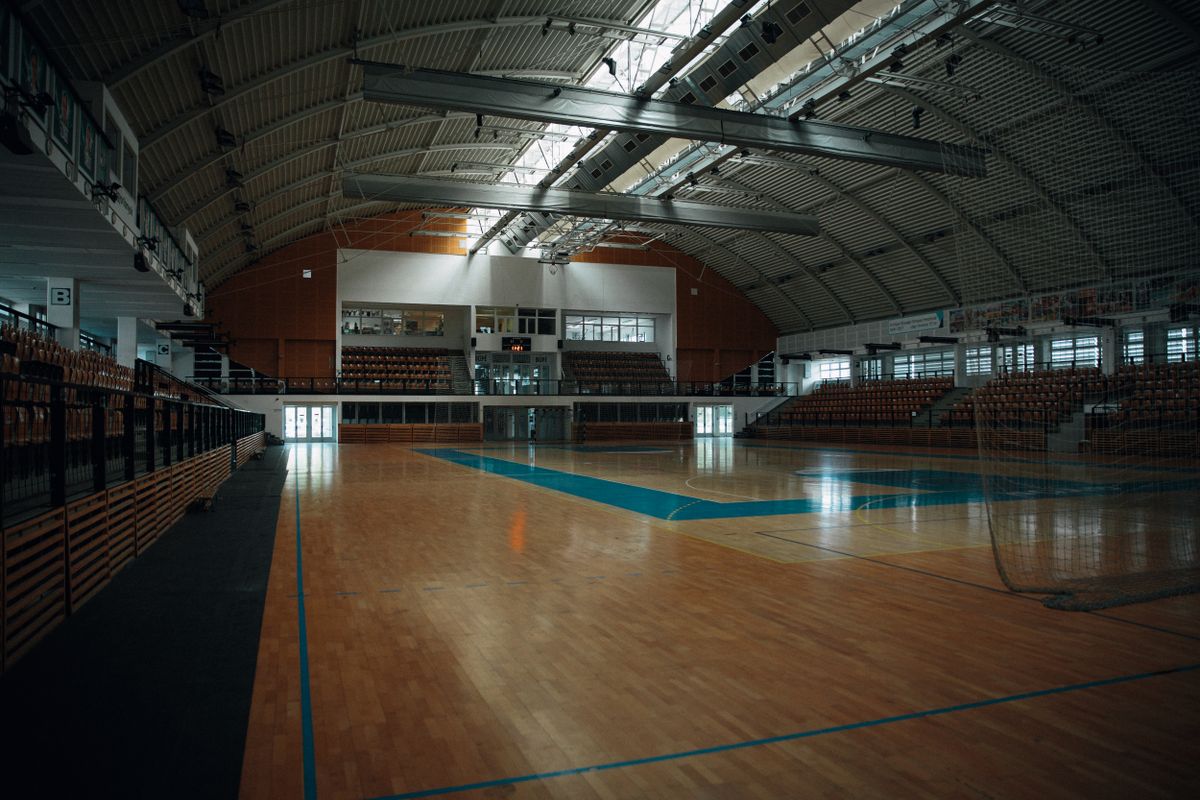
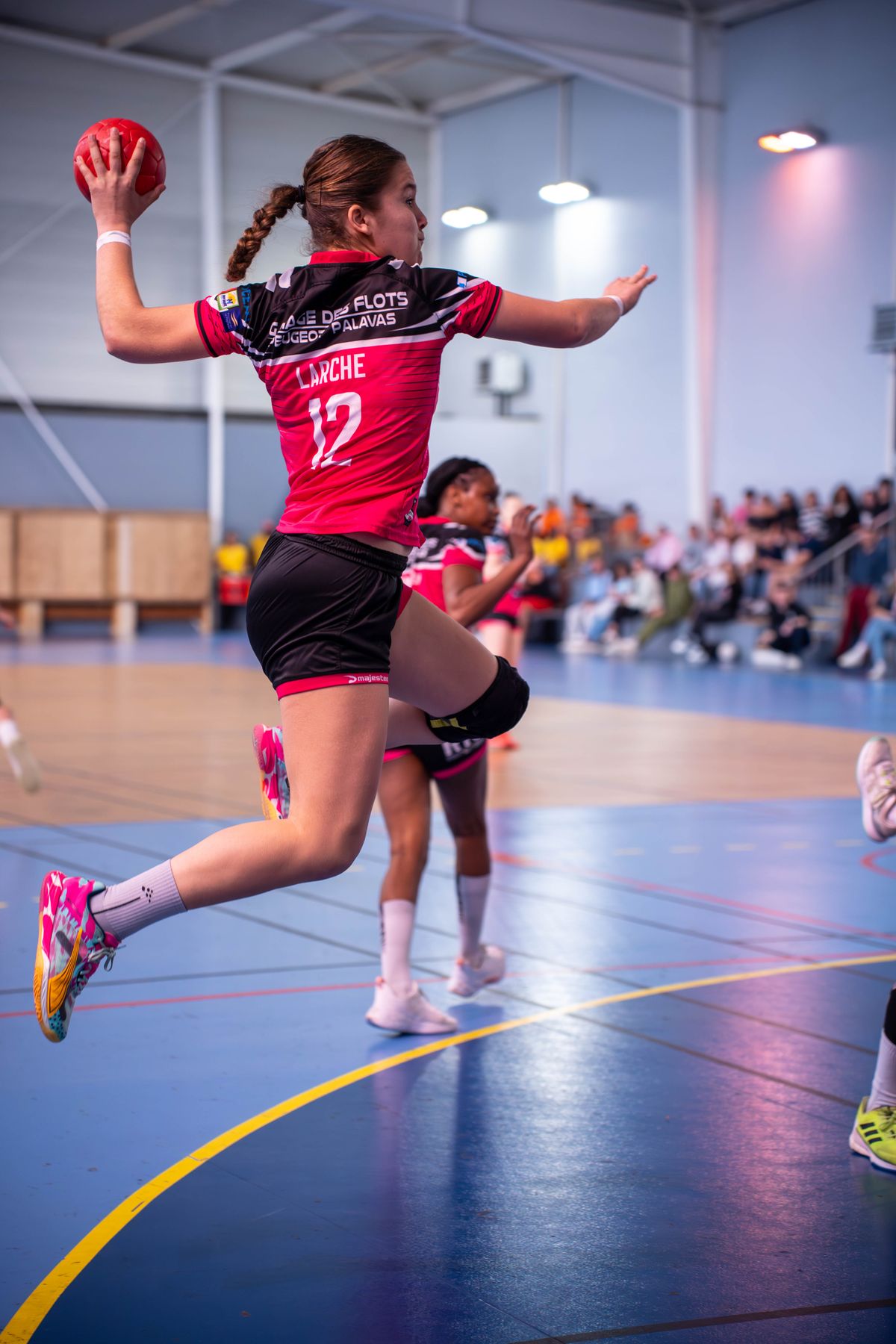
A handball court measures 40x20 meters, and each team has six players plus a goalkeeper on the court at once. Players can take at most three steps while holding the ball, after which they must dribble or pass. No player except the goalkeeper may enter the 6-meter semicircle in front of the goal line; this area can only be crossed by jumping through the air, which gives handball its characteristic "flying shot" look. Matches consist of two 30-minute halves, and the score typically runs close to basketball's range, between 25 and 35 goals.
The Physical Demands of Handball
Handball is one of the rare sports that demands anaerobic explosiveness and aerobic endurance at the same time; a player runs an average of 4-6 kilometers over a match while constantly sprinting, jumping, and changing direction. Because upper-body strength directly affects shot speed, shoulder and core development is especially important for handball players — professional shots can exceed 100 kilometers per hour. This wide-ranging physical demand makes handball a valuable cross-training tool for anyone looking to build both conditioning and explosive power.
A Common Myth: "Handball Is All About Arm Strength"
Many people who watch handball assume the game comes down to a powerful throwing arm, but at the elite level the real deciding factor is tactical intelligence and team coordination. Reading gaps in defensive formations, passing at the right moment, and positioning to draw a one-on-one with the goalkeeper win far more matches than raw power. That's why handball coaches often advise young players to work on game reading and passing technique before strength training.
3 Things to Know About Handball
- Learn the Movement Rules: The three-step rule and the goal-area boundary are fundamental to understanding the flow of the game.
- Focus on Upper-Body Strength: Shot and pass power comes largely from shoulder and trunk rotation.
- Watch the Team Tactics: Handball's real beauty shows up in the rapid tactical shifts between defense and attack.