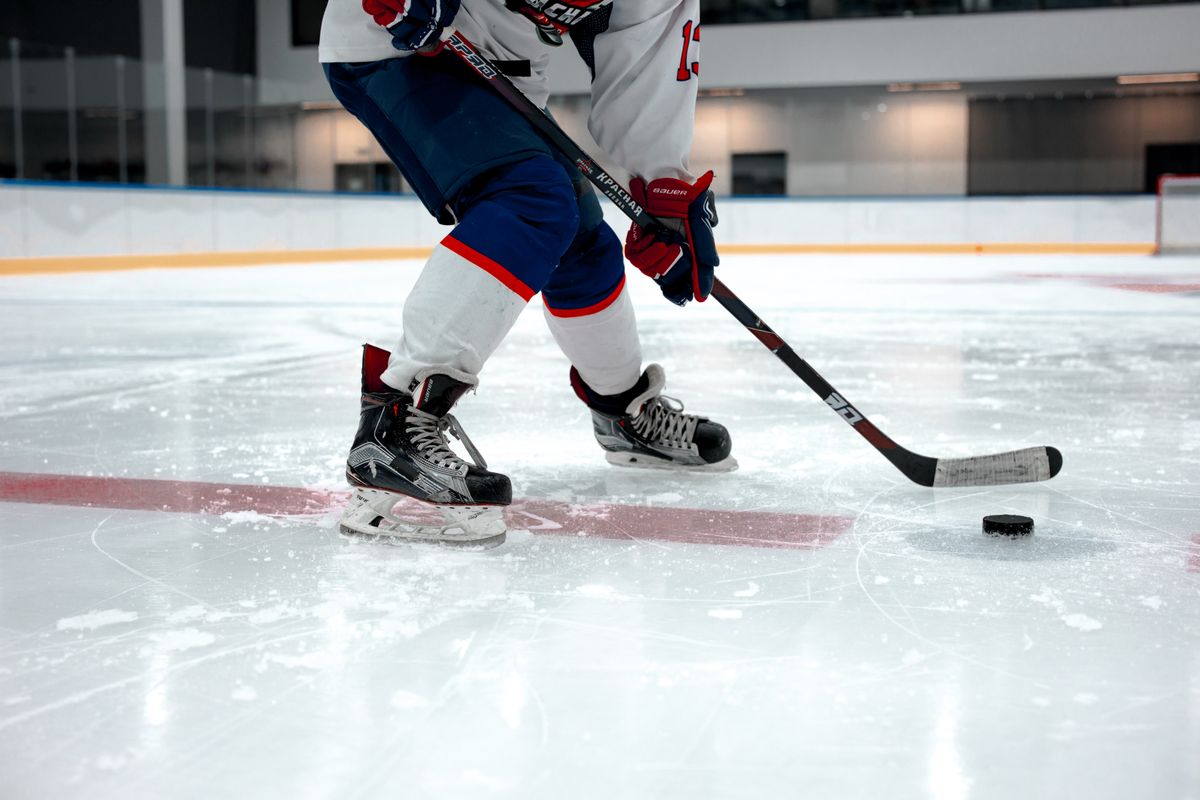
Ice hockey is considered one of the fastest team sports in the world; professional players can reach skating speeds over 30 kilometers per hour, and a puck can leave the stick at speeds exceeding 160 kilometers per hour. Canada's official winter sport, the game pits two six-player teams (including the goalie) against each other, trying to put the puck in the opponent's net in a high-tempo contest that allows hard physical contact.
The Basic Structure of Ice Hockey
A game consists of three 20-minute periods, and players typically enter and exit the ice in short 45-90 second stretches called "shifts," because skating at maximum speed is extremely tiring. Teams field five players each on offense and defense (excluding the goalie), and rules like "offside" and "icing" shape the flow and strategic depth of the game. Because friction between the puck and the ice is minimal, play develops far faster than in most other ball sports.
Why Does It Demand Such Intense Conditioning?
Skating on ice burns far more energy than running on land because a player must constantly maintain balance while pushing against the ice's friction. A player's heart rate can climb close to maximum during a single shift, making ice hockey one of the team sports closest to pure interval training. Leg strength, balance, and explosive acceleration sit at the center of an ice hockey player's training program; many professionals follow an intense strength and conditioning regimen throughout the summer.
How Dangerous Is Body Checking, Really?
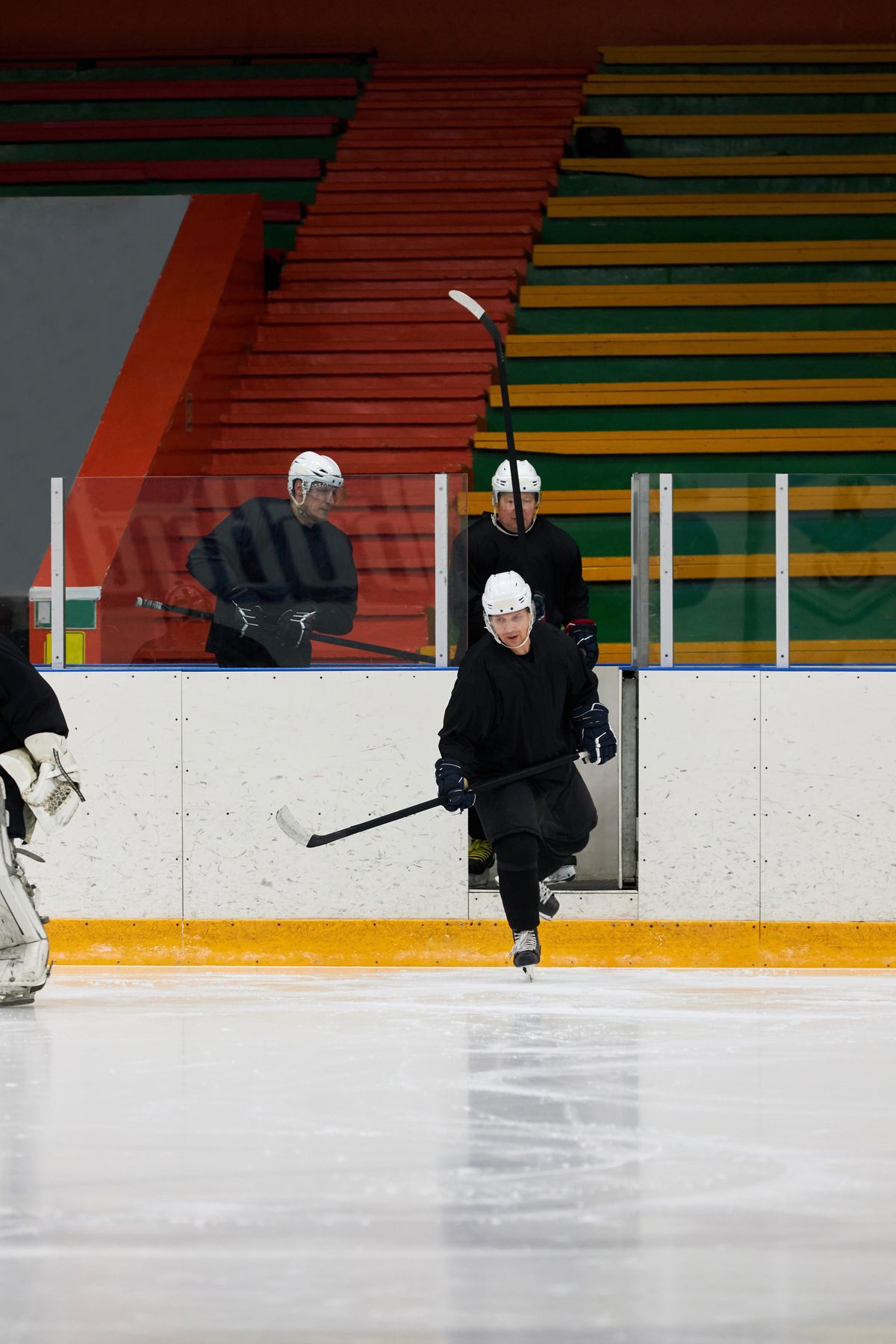
The shoulder and body contact allowed in ice hockey, known as body checking, is one of the sport's most debated aspects; because it raises concussion risk, it has been increasingly restricted in youth leagues in recent years. Even in professional leagues, hits targeting the head draw heavy penalties, and protective equipment standards — helmets, shoulder pads, knee guards — are updated every season. For beginners and young players, learning proper falling and contact-absorption technique is one of the most effective ways to lower injury risk.
4 Things to Know About Ice Hockey
- Learn to Skate First: Balanced, fast skating is essential before puck control.
- Don't Skip Protective Gear: Helmets, shoulder pads, and knee guards are mandatory layers of safety against hard contact.
- Be Ready for Short Shifts: The intense tempo requires players to rest frequently and briefly.
- Prioritize Team Play: Five-player coordination matters far more than individual skill.