A decline in movement with age is often seen as "just natural," yet the truth is that inactivity doesn't slow aging — it speeds it up. Regular physical activity is a tool for preserving independence in later life that can be as effective as medication, yet it's frequently overlooked.
Why Muscle Mass Matters So Much
After age 30, muscle mass declines by about five percent per decade on average, and a sedentary lifestyle accelerates that loss further. Weaker muscles don't just mean less strength; they also lead to poorer balance and a higher risk of falling. Regular resistance exercise can significantly slow this loss, and even partially reverse it.
It's Not Just Muscles — the Mind Benefits Too
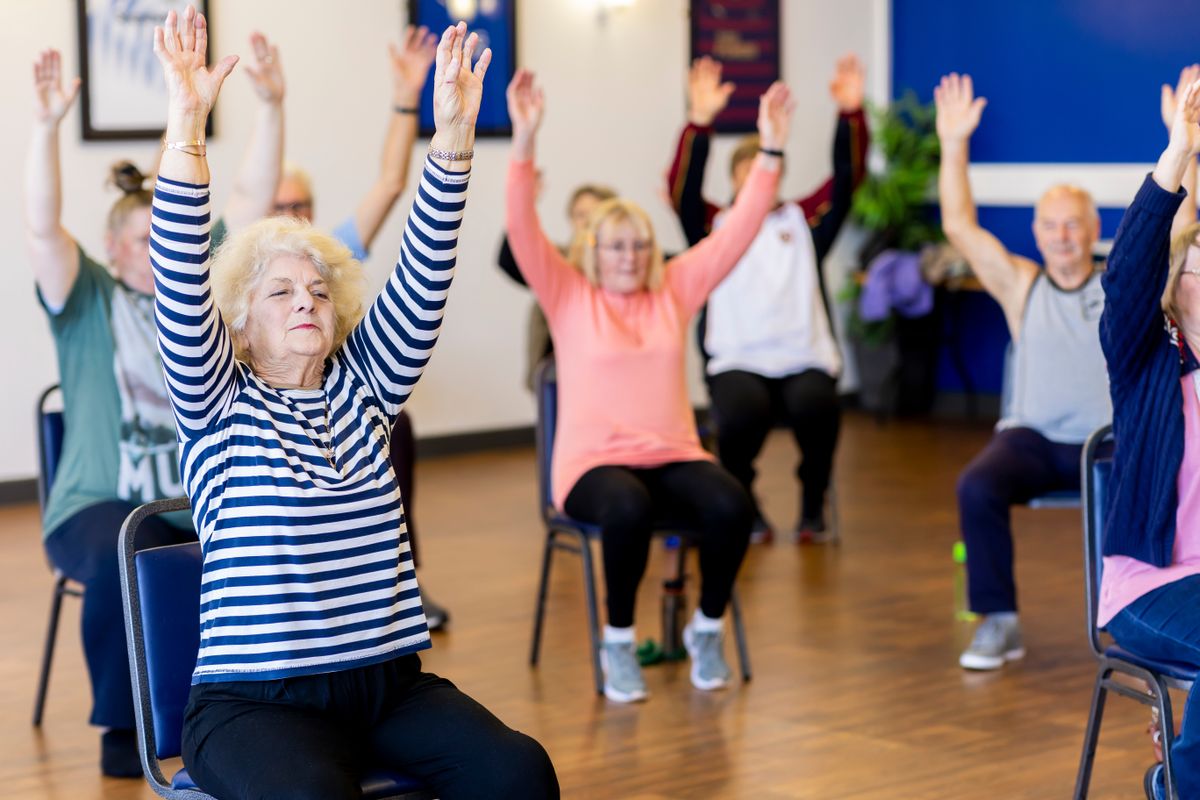
The effect of physical activity isn't limited to muscles and joints. Older adults who move regularly show increased blood flow to the brain, which helps reduce the risk of cognitive decline. Joining a group class or a walking group also becomes a natural way to break social isolation for adults living alone — an effect on mental health that can matter just as much as the exercise itself.
Safe Activity Suggestions for Older Adults
- Start With Walking: A brisk 20-30 minute walk a day supports heart health while putting little strain on the joints.
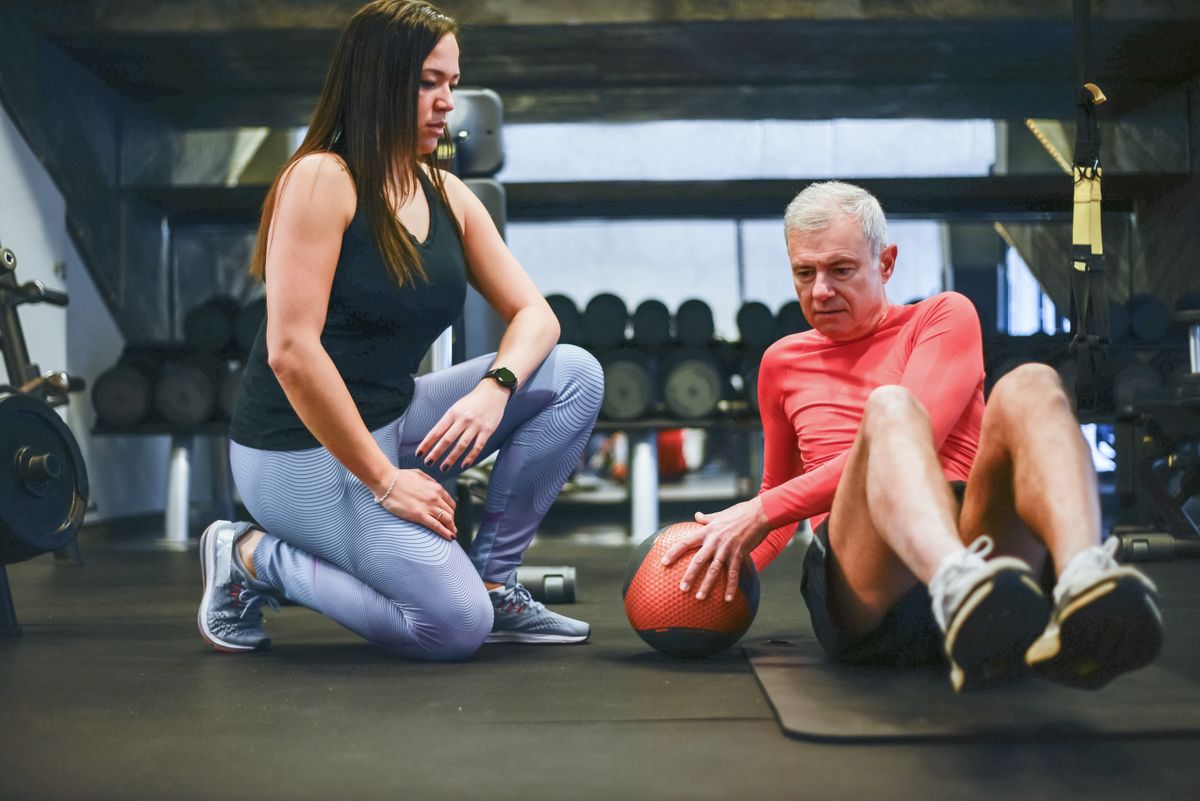
- Do Resistance Work With Light Weights: Simple resistance movements twice a week help preserve muscle mass.
- Don't Skip Balance Exercises: Simple balance work like standing on one leg noticeably reduces the risk of falling.
- Consider Water-Based Exercise: Water's buoyancy makes movement more comfortable for those with joint pain.
- Add Stretching to the Routine: Short daily stretches preserve joint range of motion and reduce stiffness.
- Combine It With Social Activity: Joining a group class makes movement more sustainable and strengthens social connection.