Skin aging progresses through a mix of intrinsic factors (genetics, hormones) and extrinsic ones (sun, pollution, lifestyle). The good news is that most extrinsic factors are controllable; habits started early can meaningfully reduce the severity of lines and spots that appear later.
The Impact of Sun Exposure
An estimated 80 percent of visible skin aging is attributed to sun exposure; UV rays break down collagen and elastin fibers, accelerating wrinkles and sagging.
UV rays reach the skin even on cloudy days, which is why daily, year-round sunscreen use is considered the single most effective anti-aging measure on its own.
Skincare Priorities
Consistency matters far more than a complicated routine.
- SPF 30+ sunscreen: apply every morning regardless of the weather.
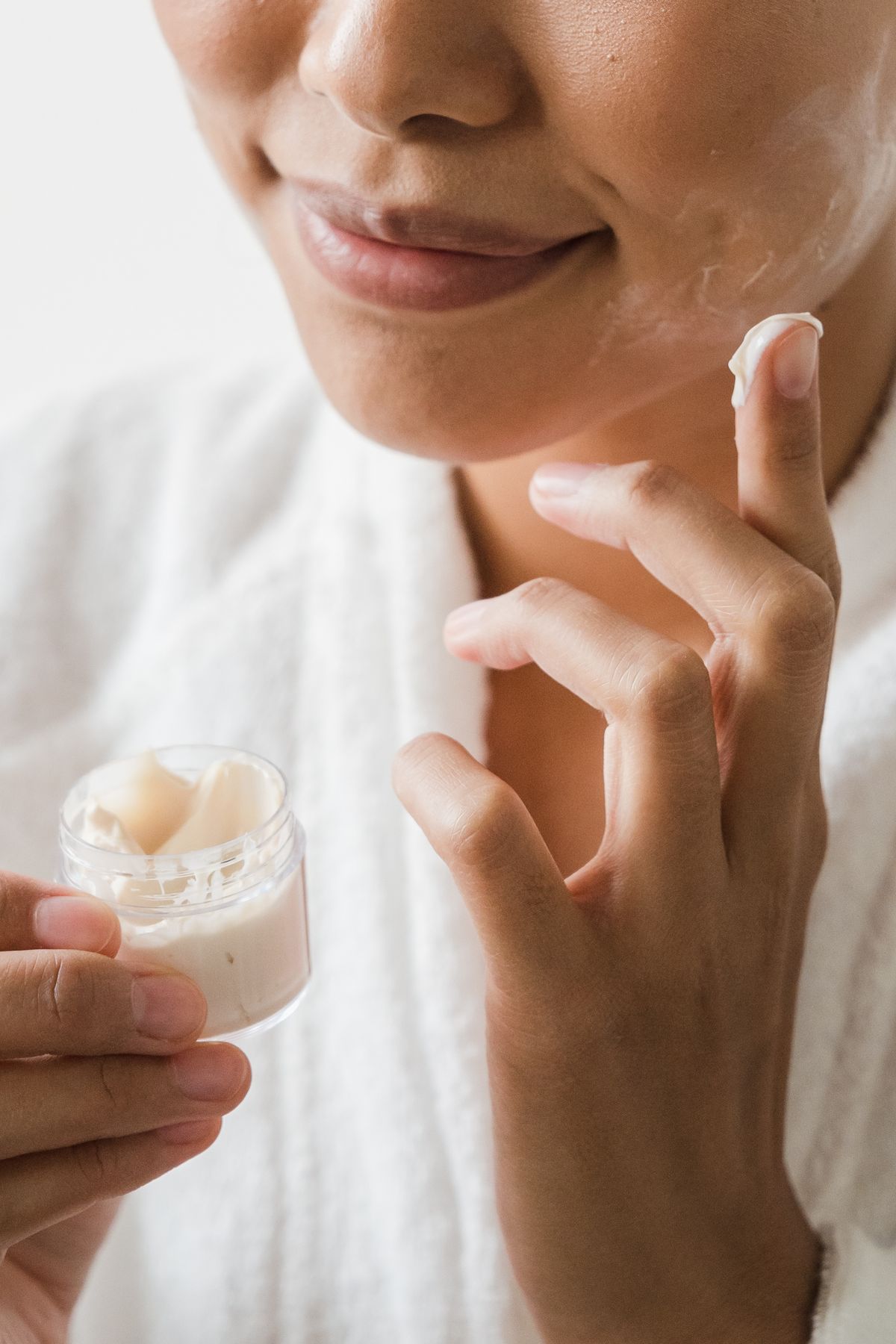
- Moisturizing: keeping the skin barrier strong reduces the visibility of fine lines.
- Vitamin C serum: its antioxidant effect limits free-radical damage.
- Retinoids: speed up cell turnover; start gradually under a doctor’s guidance.

The Role of Diet
Antioxidant-rich fruits and vegetables, along with vitamins C and E, help limit free-radical damage to skin cells and can slow the aging process.
A diet heavy in sugar and processed food can stiffen collagen through a process called glycation, reducing skin elasticity.
Lifestyle Factors
Smoking noticeably accelerates aging by reducing blood flow to the skin and disrupting collagen production; quitting is one of the most effective steps for skin health.
Poor sleep and chronic stress raise cortisol levels, which can increase collagen breakdown; a consistent sleep schedule matters for skin repair.
The most effective skincare investment isn’t expensive products — it’s a consistent, simple routine. Sun protection, moisturizing and balanced nutrition together, maintained over years, produce the most visible and lasting difference.