As academic pressure rises in some schools, recess is often one of the first things sacrificed: the logic "they'll play anyway, let's use that time for lessons" becomes common. Yet child development researchers point to the opposite conclusion — far from taking away from academic performance, free, unstructured play time directly contributes to it.
The Brain Needs a Break
Attention is a limited resource; just as in adults, long uninterrupted focus produces fatigue in children. Studies show that a short, active break after a 20-30-minute intensive lesson block noticeably speeds up how quickly children regain focus in the next lesson. Shortening recess might look like "more lesson time" in the short term, but it actually lowers the efficiency of the remaining lesson time, zeroing out or even reversing the net gain.
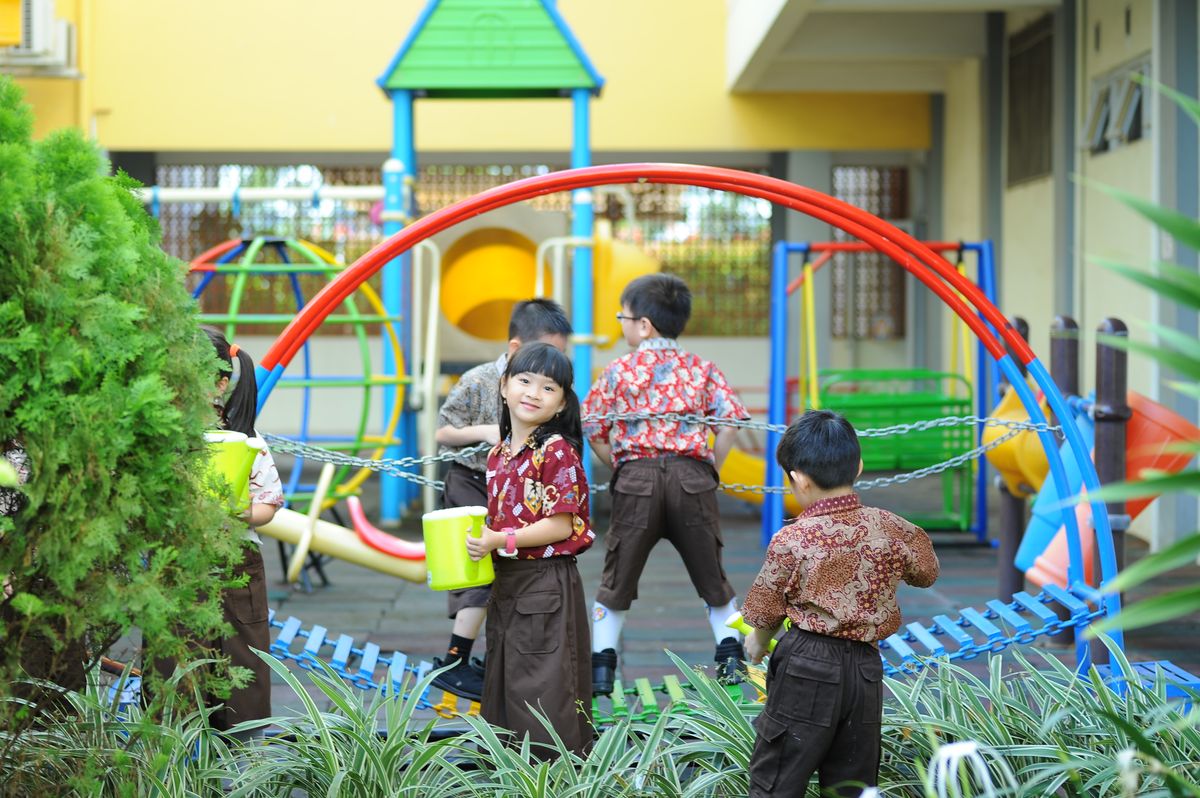
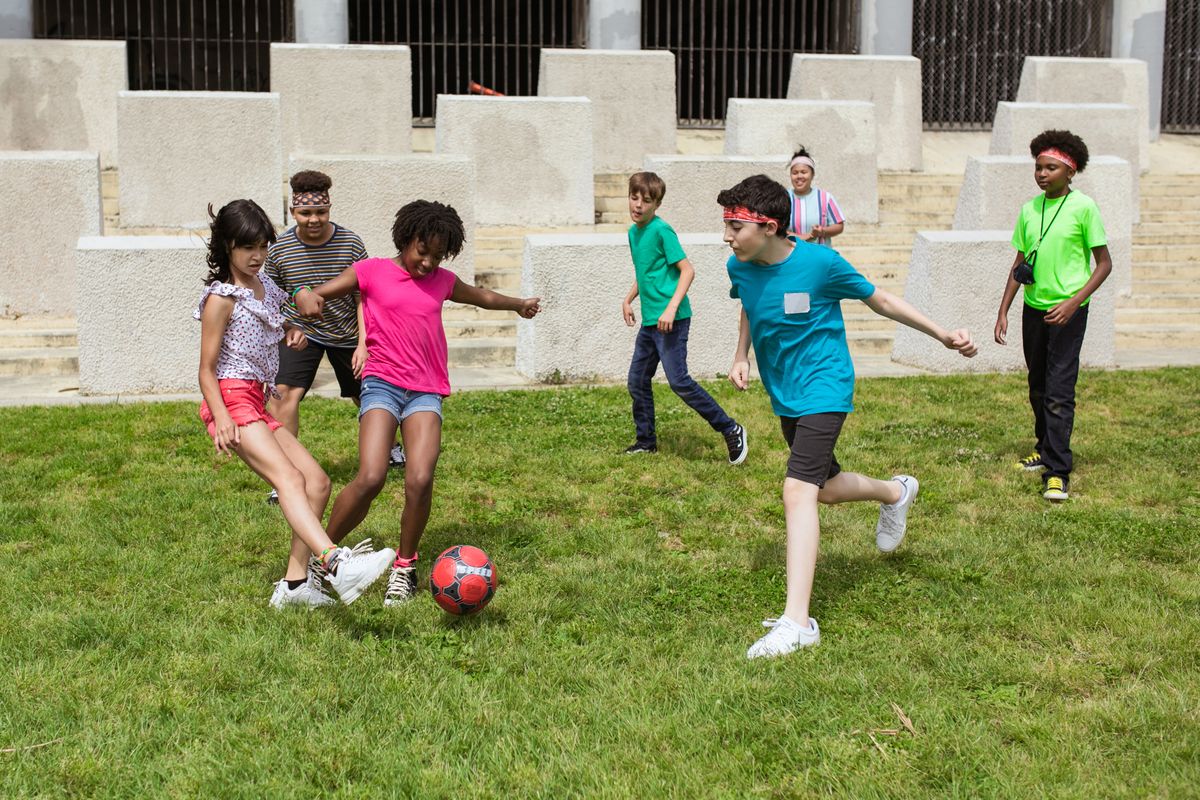
The benefit of recess isn't limited to attention, either. During unstructured play, children set their own rules, try to resolve disputes on their own, wait their turn, and learn to lose — none of which can be directly taught by an adult as effectively as through this organic social experience. Two children negotiating who gets to play in the sandbox first are, in effect, practicing on their own the exact conflict-resolution skill an adult would spend years trying to instill.
Instead of seeing recess as "lost lesson time," it's worth rethinking it as one of the moments of the day where the most intense learning actually happens — it just doesn't come from a textbook, but from a sandbox or a jump-rope game.