When eleven players chase the same ball on a field, they're learning something far beyond physical effort: accepting that their own performance is part of a larger whole. Team sports offer an experience individual training can't replicate, creating a lasting area of growth for both children and adults.
What's Learned on the Field Works Off It Too
Learning to handle a teammate's reaction after a missed pass, managing disappointment after a lost match, or sharing success in a moment of victory — all of this strengthens emotional self-regulation. Over the years, these skills carry over from the field into work life, friendships and family communication.
A Social Dimension Individual Sports Lack
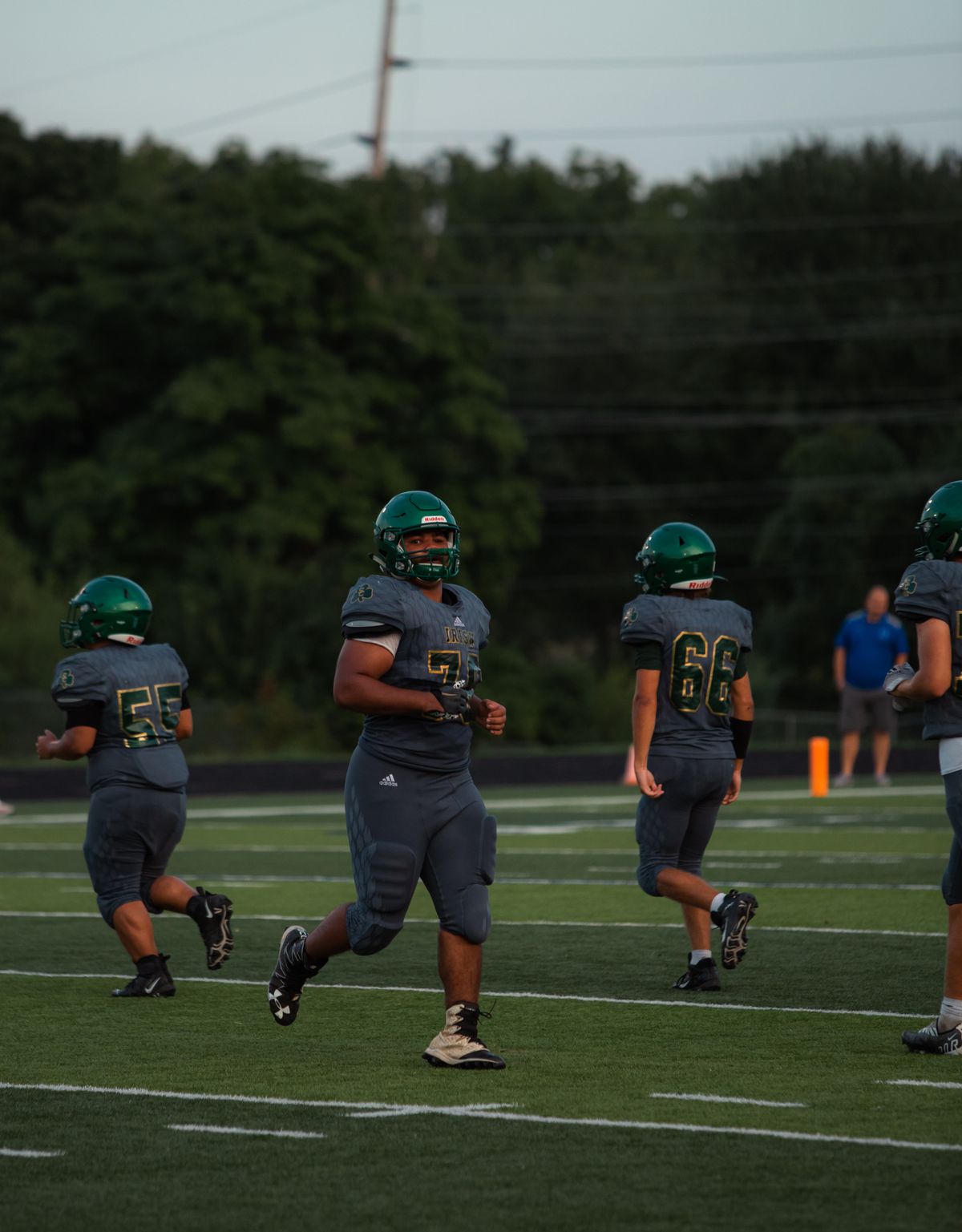
Individual sports like running or swimming build discipline and endurance, but they lack something specific to team sports: shared roles. On a football team, the goalkeeper, defense and forwards each carry different responsibilities, and everyone's job depends on someone else's success. This mutual dependence teaches children and adults to both trust and be trustworthy at the same time — one of the skills modern working life values most.
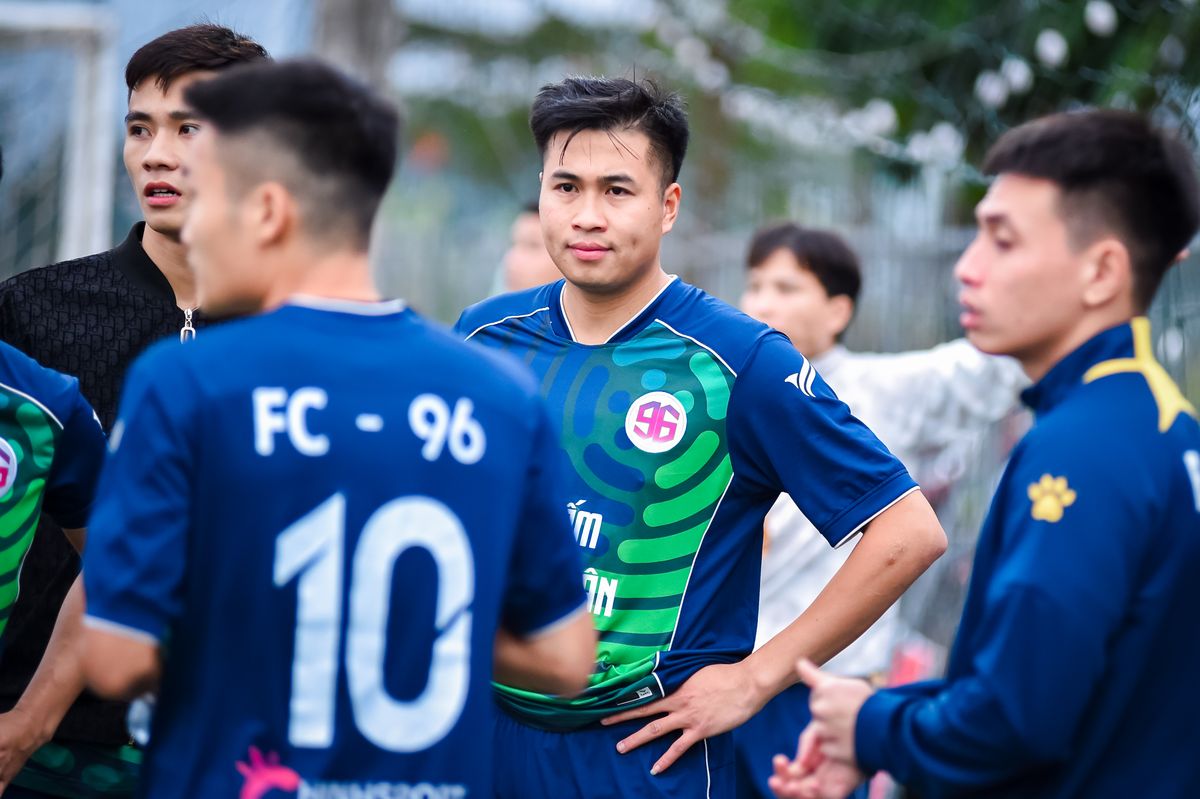
4 Skills Team Sports Build
- Effective Communication: Having to communicate quickly and clearly in the middle of play also strengthens real-life communication skills.
- A Sense of Responsibility: Seeing that playing your position poorly affects the whole team builds a strong sense of accountability.
- Coping With Loss: Regularly winning and losing teaches you to see failure as a natural part of the process, not a personal disaster.
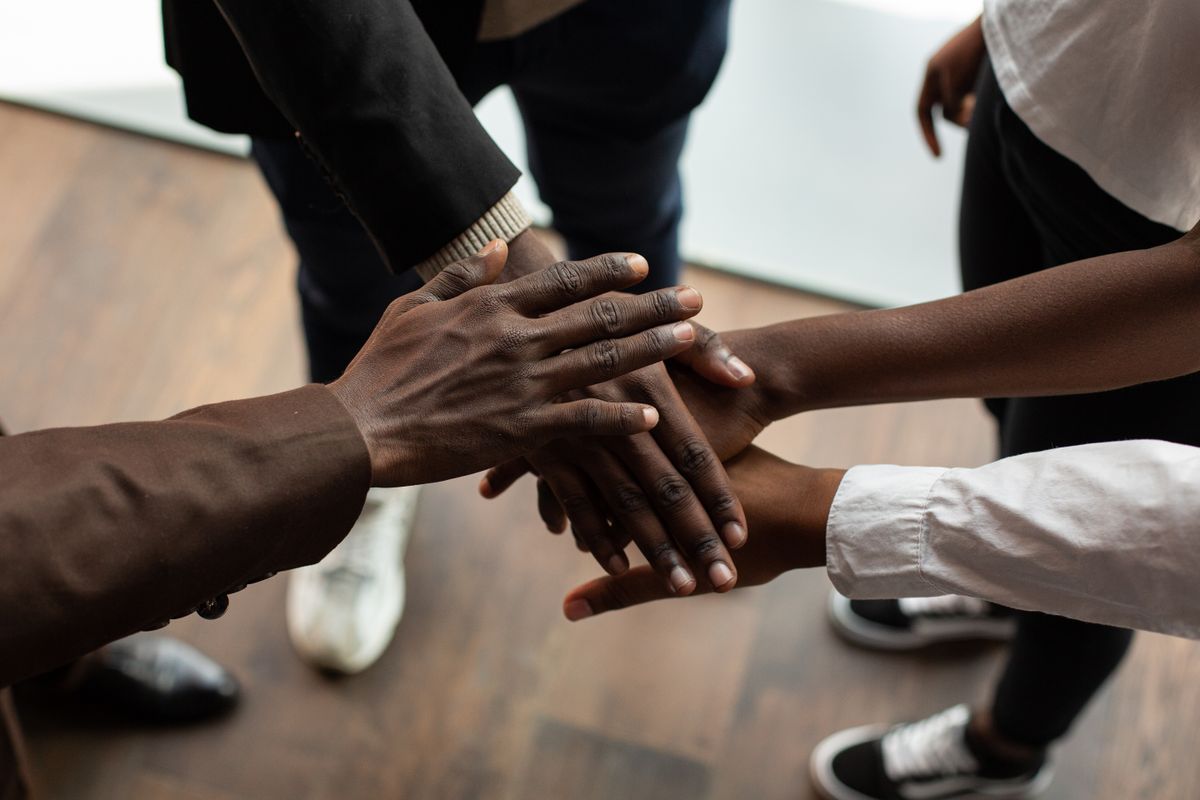
- A Sense of Belonging: Uniting around a shared goal builds a strong social support network, especially during adolescence.
Being part of a team offers a different kind of satisfaction than individual success: seeing how your own contribution strengthens a whole. That feeling often leaves a far more lasting mark than the score on the field.