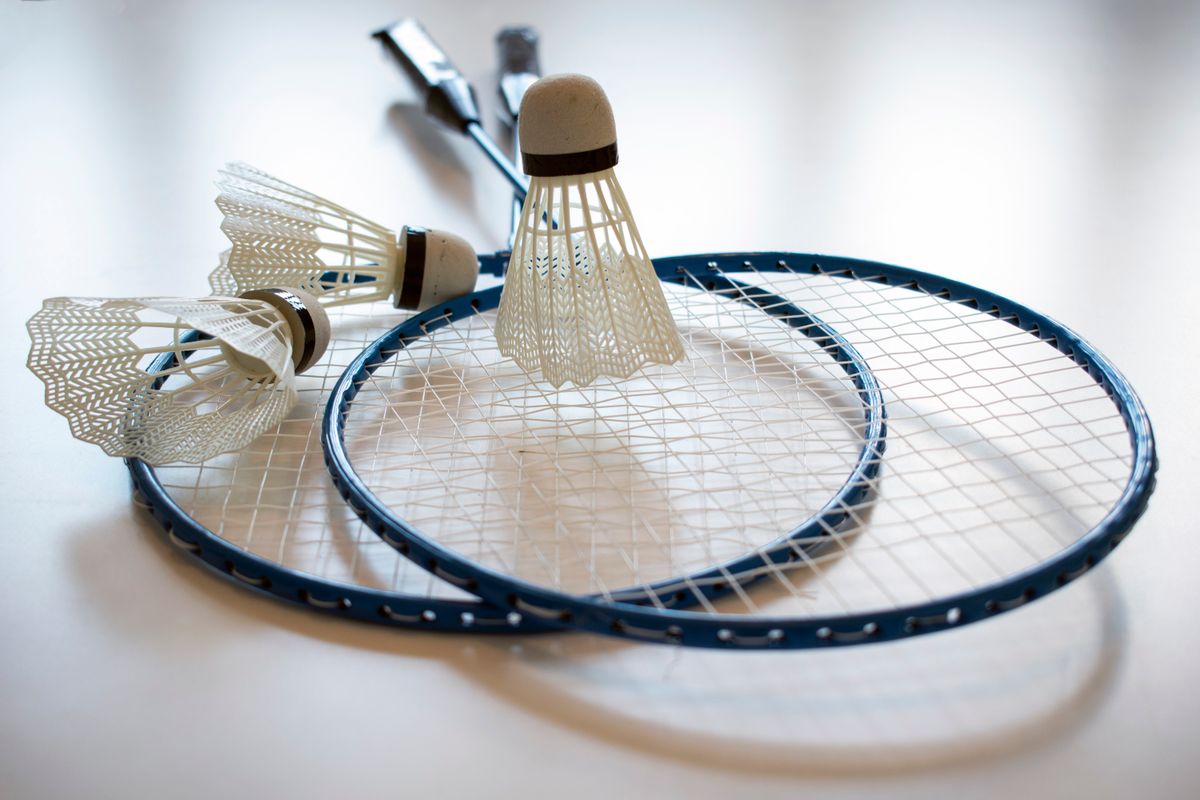
Badminton is often seen as a light backyard activity, yet at the professional level it's the fastest racquet sport in the world; on a smash shot, the shuttlecock's speed can exceed 400 kilometers per hour. That astonishing speed makes badminton, far beyond its seemingly gentle image, a sport demanding elite reflexes and conditioning.
Why Is It Such an Intense Cardio Workout?
In a singles badminton match, players constantly sprint to every corner of the court while simultaneously producing powerful upper-body shots — a combination that puts badminton ahead of even tennis in calorie burn. An hour of intense singles play can burn an average of 450-600 calories, developing constant direction change, agility, and explosive leg power all at once.
Its Effect on Wrist and Shoulder Health
Because badminton involves repetitive wrist and shoulder movements, playing regularly builds strength and flexibility in these areas; but without correct technique, it can also lead to overuse injuries similar to tennis elbow. That's why beginners are strongly advised to learn the correct grip technique before moving on to powerful shots. Played with proper technique, badminton becomes a valuable activity for strengthening the rotator cuff muscles around the shoulder.
A Common Myth: "Badminton Is Easier Than Tennis"
The widespread perception that badminton is "lighter" than tennis doesn't reflect the sport's actual physical demands. Because air resistance slows the shuttlecock down quickly, players are forced into constant short, explosive sprints, making badminton require more direction changes per minute than tennis. Elite badminton players make, on average, more direction-change movements over a match than tennis players.
4 Things to Know About Badminton
- Learn the Correct Grip: A wrong grip both lowers performance and raises injury risk.
- Prioritize Footwork: Fast movement on court matters more than a good shot alone.
- Don't Skip the Warm-up: Sudden explosive movements raise injury risk in unprepared muscles.
- Watch Your Shoulder Health: Repetitive overhead motion can lead to overuse issues over time.