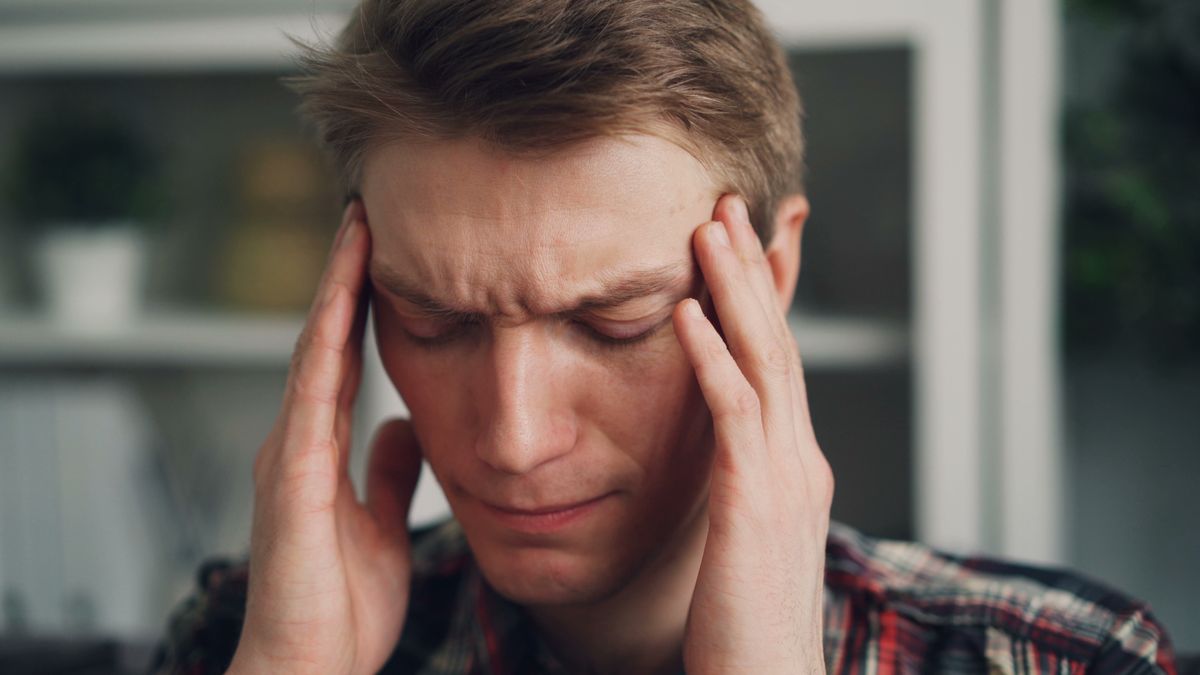
Stress is usually thought of as a mental state, but it has concrete, measurable effects on the body too. Chronic stress keeps hormones like cortisol and adrenaline elevated for extended periods, and can affect nearly every organ system as a result.
The Most Common Physical Symptoms
Headaches, muscle tension (especially in the neck and shoulders), digestive issues and fatigue are among the most commonly reported physical manifestations of stress.
Skin problems, hair loss and getting sick more often due to a weakened immune system are also common, if less widely recognized, symptoms of prolonged stress.
How Stress Shows Up in the Body
Different systems are affected in different ways.
- Cardiovascular system: chronic stress can raise blood pressure and increase heart disease risk.
- Digestive system: stomach pain, bloating and appetite changes are common.
- Musculoskeletal system: ongoing tension in the shoulder and neck muscles can trigger headaches.
- Sleep patterns: elevated cortisol makes it harder to fall asleep and stay in deep sleep.

Why Noticing Physical Symptoms Matters
Because many people think of stress purely as an emotional state, they can mistake its physical symptoms for a separate health issue and waste time on unnecessary tests.
Recognizing these bodily signals offers a valuable opportunity to start managing stress early; addressing the root cause rather than just the symptom leads to a more lasting fix.
Relaxation Techniques
Deep breathing exercises, regular exercise and short walks are simple but effective ways to quickly lower cortisol levels.
Massage and stretching directly target muscle tension and can deliver both physical relief and mental relaxation.
Ignoring the physical symptoms of stress may be possible in the short term, but over time it can set the stage for more serious health problems. Listening to the body and building regular relaxation habits won’t eliminate stress entirely, but it meaningfully increases the capacity to cope with it.