
Someone who spends most of a workday sitting often feels a tightness in the shoulders and a dull ache in the lower back by evening, usually blaming it on "just being tired." In reality, the real cause is often the silent toll of staying in the same position for hours; noticing that toll is the first step to easing it.
What Prolonged Sitting Does to the Body
Sitting for long periods weakens the muscles around the spine, shortens the hip flexors and slows circulation. The effects aren't limited to back and neck pain; over time they can also show up as low energy and difficulty concentrating. Some research shows that sitting more than eight hours a day carries metabolic effects that persist even in people who exercise regularly — meaning going to the gym alone isn't a complete fix; the inactivity throughout the rest of the day needs to be broken up too.
The Big Impact of Small Changes
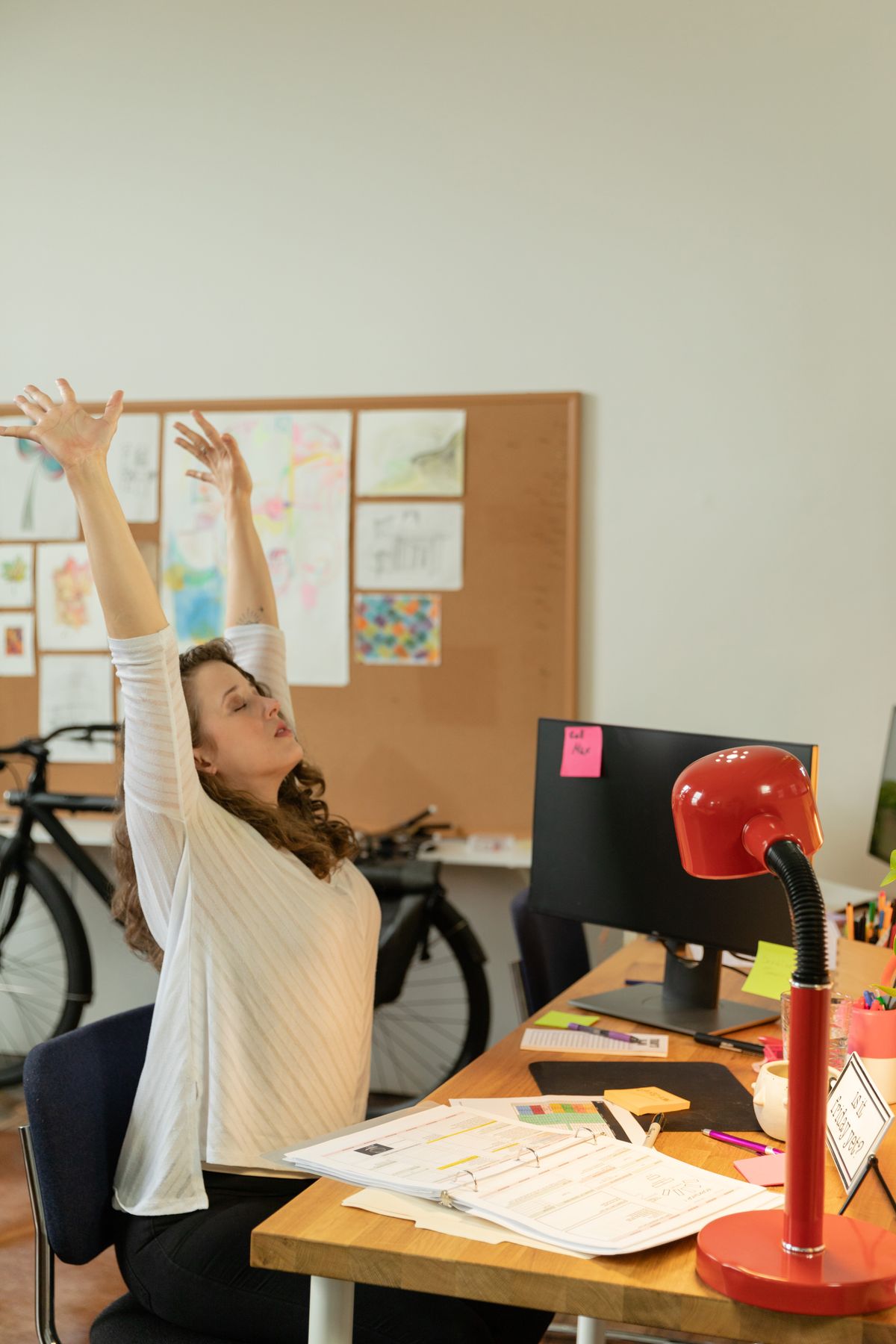
The good news is that moving briefly a few times a day can reverse much of this. The goal here isn't to start a workout routine, but to break up sitting time: standing up, taking a few steps, or even rolling your shoulders a few times is enough to get circulation moving again. These small breaks noticeably reduce the overall fatigue felt by the end of the day.
Tips for People Who Work at a Desk
- Follow the 50-10 Rule: A 10-minute standing break after every 50 minutes of work keeps circulation active.
- Adjust Your Screen Height: The top of the screen should be at eye level to prevent the neck from constantly tilting forward.
- Sit With Conscious Posture: Sitting with your hips, knees and ankles at roughly 90-degree angles reduces pressure on the lower back.
- Take a Short Walk at Lunch: Even a 10-minute walk noticeably reduces the afternoon energy slump.
None of these tips is a revolution on its own, but applied together they meaningfully lighten the toll a desk job takes on the body. Small, regular movement often outperforms one big, rarely-repeated workout session.