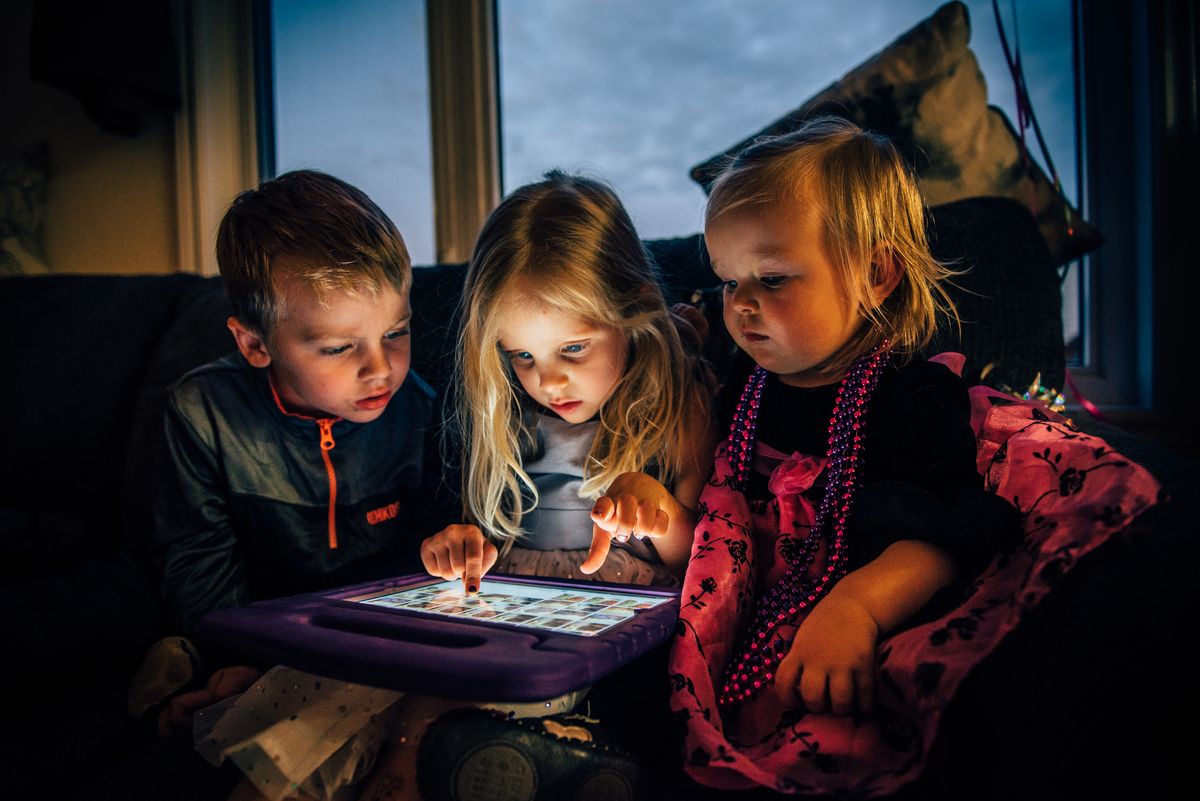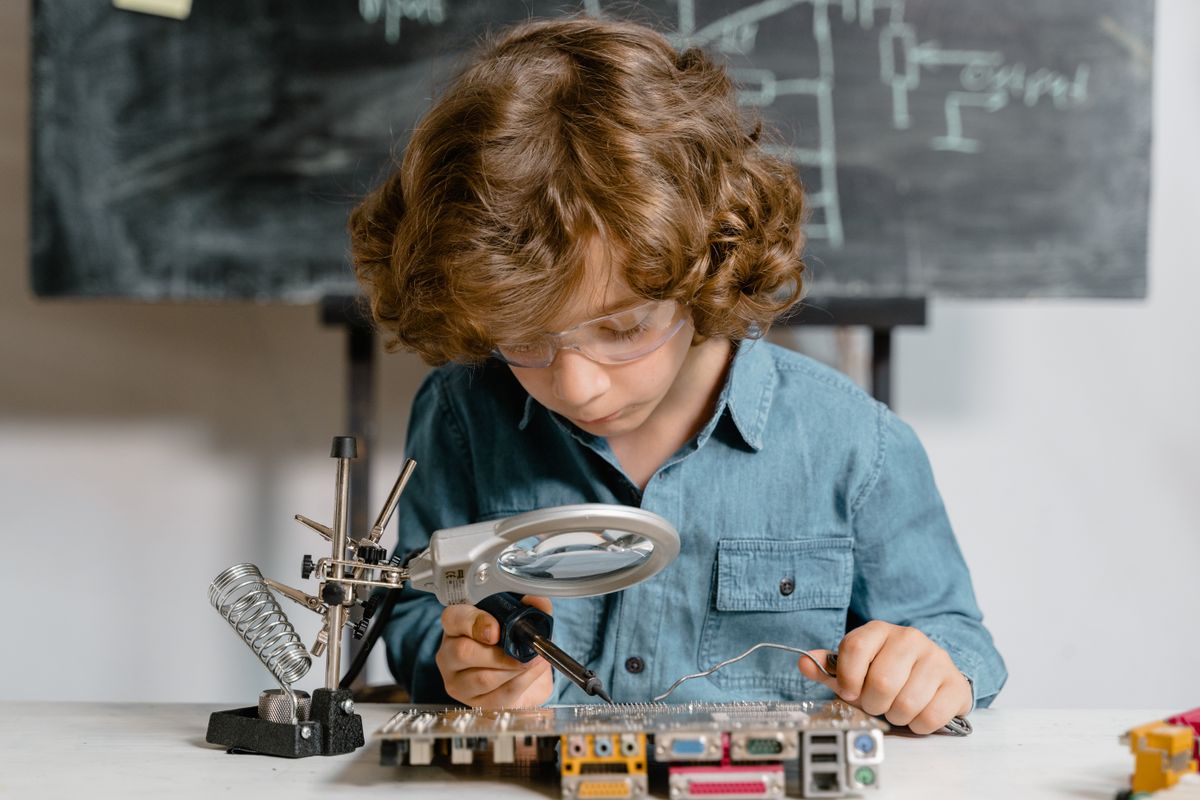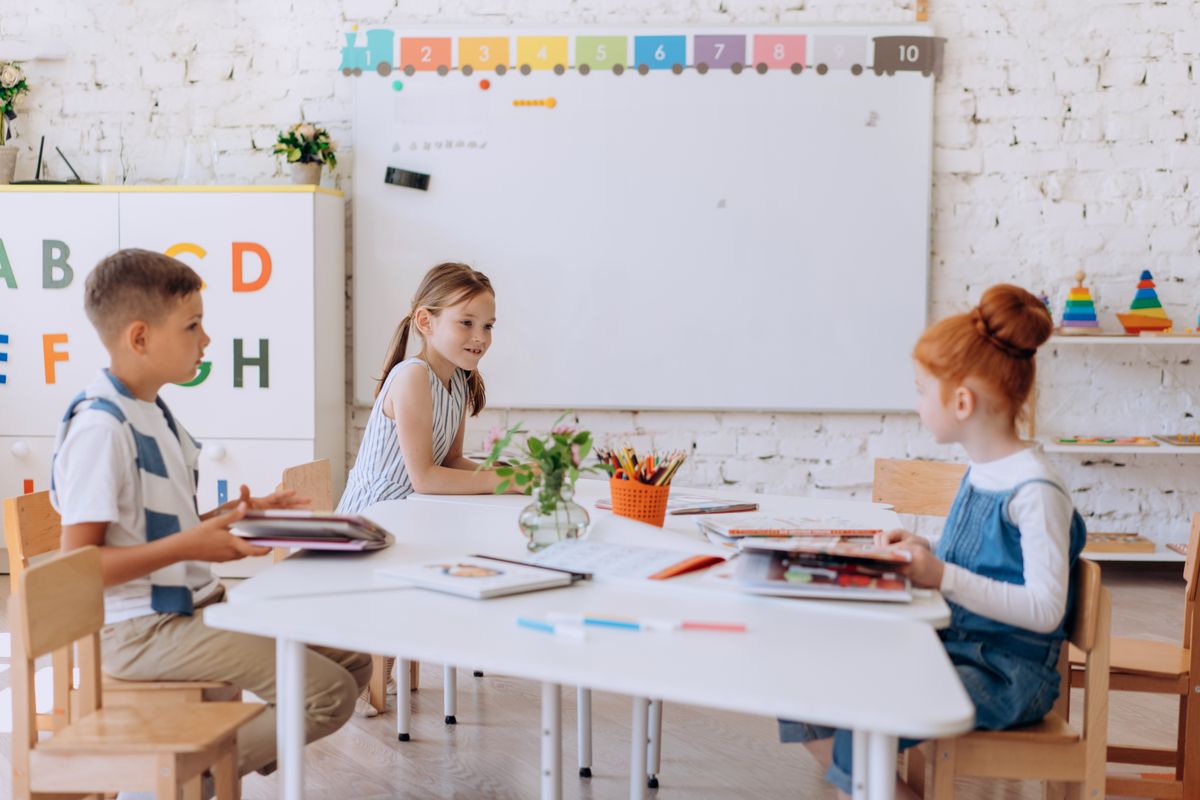
There's not much difference between a child deciding in seconds which card to play in a board game and thinking at the same speed on a math test — both require attention, memory and strategy. Game-based learning starts from exactly this observation, deliberately channeling the motivation games naturally trigger toward learning objectives.
Why Does the Brain Learn More Easily During Play?
While playing a game, the brain shifts into a mode open to trial and error, far from the anxiety it feels during a test. Because the cost of a wrong move is low in a game, children take bolder attempts and learn from their mistakes without becoming as defensive. Most games also offer instant feedback — a wrong answer is seen and corrected immediately, creating a far more effective learning loop compared to the traditional model of "a test paper returned weeks later."
Not Every Game Creates the Same Effect
For game-based learning to be effective, the game itself needs to align with the learning objective; simply bolting "points" and "badges" onto a topic (surface-level gamification) doesn't create the same effect. The most effective educational games require a student to build a strategy around a real problem, observe the results, and adjust their strategy accordingly — much like in chess or a building game.
Ways to Support Game-Based Learning at Home
- Turn Existing Games Into Learning Opportunities: Rolling dice or tallying points in a board game can be a natural excuse to practice number skills.
- Focus on Strategy Rather Than Winning: Asking "Why did you choose that move?" instead of "How did you win?" helps a child notice their own thought process.
- Calibrate the Difficulty Level: A game that's too easy gets boring, one that's too hard gets discouraging; the best learning happens at a slightly challenging but reachable level.
- Don't Forget Screen-Free Games: Card games, puzzles and physical building toys are just as powerful learning tools as digital apps.