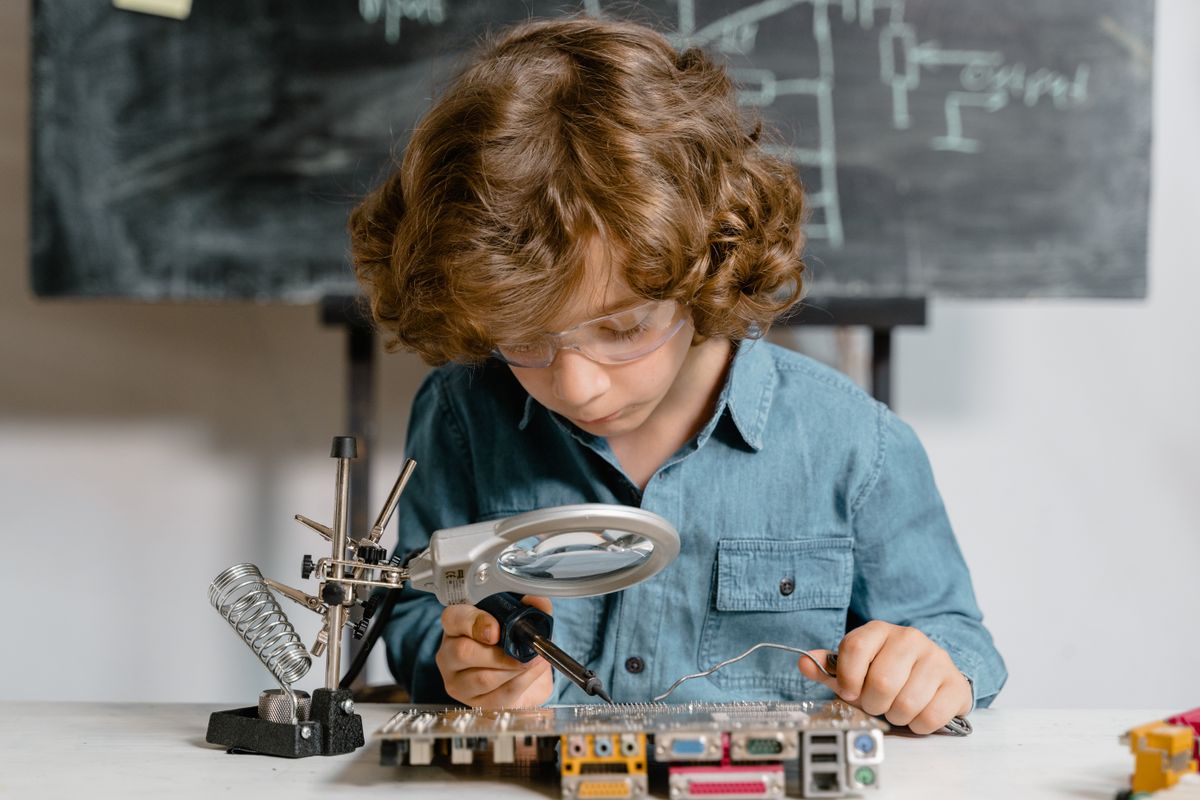
No real-world problem fits neatly into a single subject box; designing a bridge requires physics, math, materials science and design thinking all at once. STEM education — an approach named for Science, Technology, Engineering and Math — aims to bring exactly this reality into the classroom: instead of teaching subjects in isolation, teaching students to use them together on real problems.
Why Aren't Separate Subjects Enough?
In traditional education, science, math and technology are usually taught in separate classes, without reference to one another. But when a student graduates and faces a real job or an everyday problem, these disciplines don't arrive separately. STEM education has students practice this interdisciplinary thinking early on, preparing them to approach real problems outside the classroom more effectively.
At the Heart of STEM Is Trial and Error
A good STEM activity doesn't hand a child the answer directly — it presents a problem and encourages them to design their own solution, test it, and, when needed, fail and try again. This closely mirrors how engineers actually work in the real world: a prototype is built, tested, the parts that fail are identified and fixed. Through this process, children internalize a mindset of "improving by iterating" rather than "being perfect the first time."
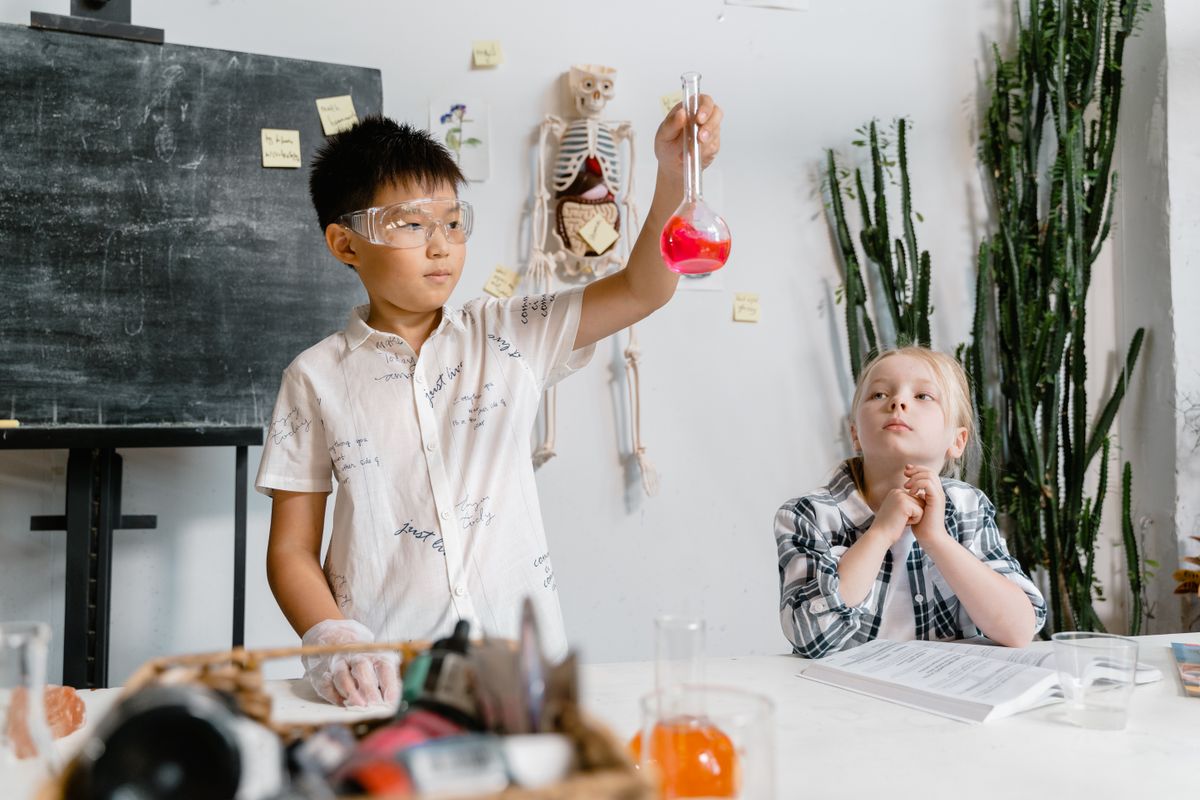
Ways to Support a STEM Mindset at Home
- Don't Answer Questions Right Away: Instead of directly answering something like "why is the sky blue," saying "why do you think that might be, want to find out together?" nurtures curious thinking.
- Experiment With Household Materials: A simple baking-soda-and-vinegar reaction or a paper airplane design contest sparks engineering thinking without needing complex equipment.
- Frame Failure as Part of the Process: When a structure collapses, instead of saying "oh well, didn't work," asking "why do you think it collapsed, how could we make it stronger?" normalizes trial and error.
- Encourage Girls Specifically: The gender gap in STEM fields starts early; make sure girls also get equal access to building, coding and experiment activities.