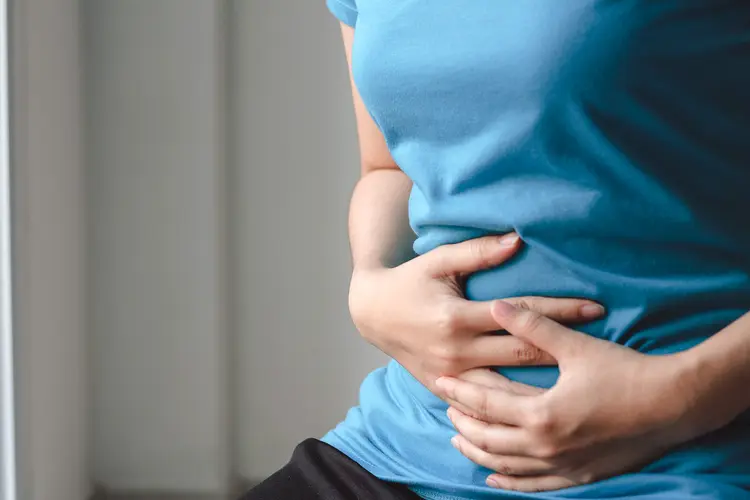
Menopause is a natural biological transition marked by the end of menstrual cycles, typically occurring between ages 45 and 55; the drop in estrogen can trigger a wide range of symptoms, from hot flashes to sleep disruption and mood changes.
The Most Common Symptoms
Hot flashes and night sweats are the most typical symptoms, affecting the large majority of women; some experience them for a few months, others for years.
Sleep disruption, vaginal dryness, difficulty concentrating and mood swings are also commonly reported, with severity varying widely from person to person.
Lifestyle Changes That Ease Symptoms
Non-medical approaches provide meaningful relief for many women.
- Dressing in layers: makes it easy to quickly adjust during a sudden hot flash.
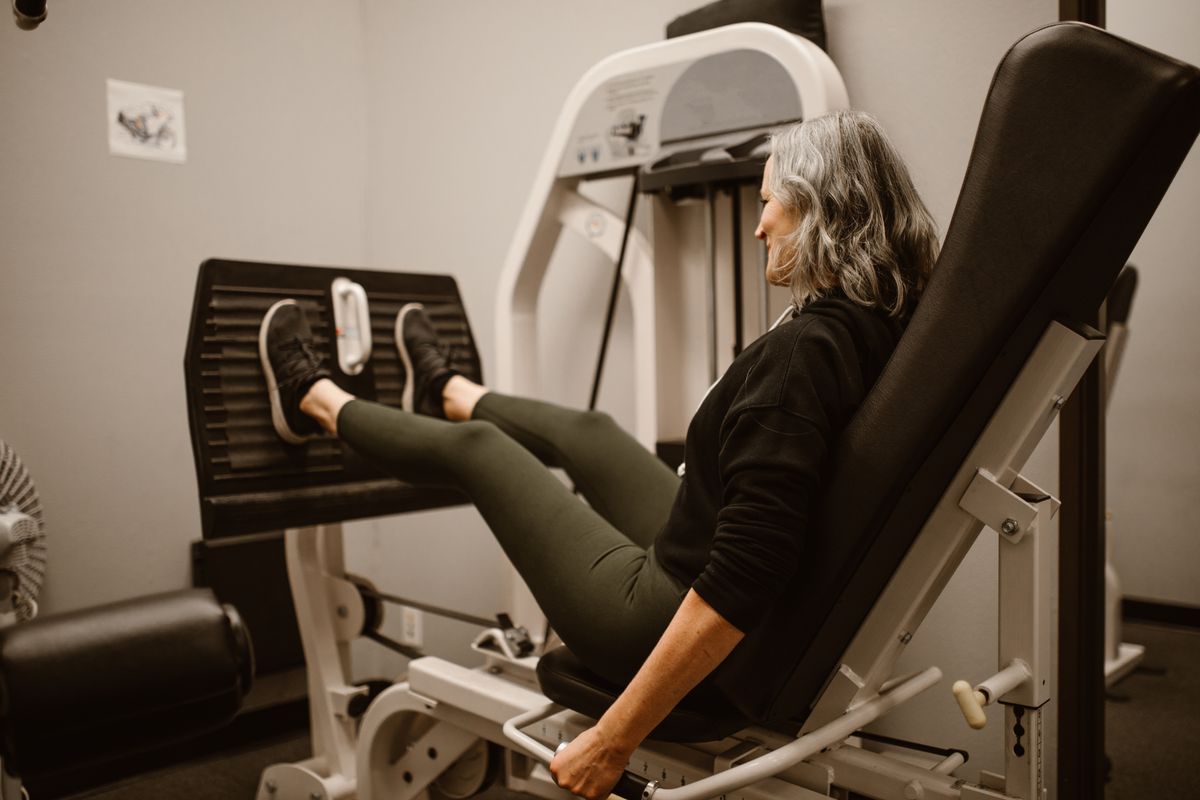
- Regular exercise: reduces mood swings and helps preserve bone density.
- Limiting caffeine and alcohol: both can increase how often hot flashes occur.
- A cool sleep environment: reduces the impact of night sweats on sleep quality.
Bone and Heart Health
Declining estrogen can accelerate bone density loss, so this is a period to pay particular attention to calcium and vitamin D intake as well as weight-bearing exercise.
Cardiovascular disease risk also rises after menopause; regular checkups and heart-healthy eating become even more important during this stage.
Treatment Options
Hormone replacement therapy can effectively reduce symptoms like hot flashes and vaginal dryness in suitable candidates, but the decision should be made with a gynecologist based on personal risk factors.
Non-hormonal options — certain antidepressants, herbal supplements and cognitive behavioral therapy — can also help manage symptoms.
Menopause isn’t an illness; it’s a natural life stage. But if symptoms are seriously affecting quality of life, there’s no reason to hesitate to seek help. With the right information and support, this transition becomes far more manageable.