Heart disease remains the world’s leading cause of death, but diet is one of the factors with the strongest influence on that risk. The Mediterranean eating pattern stands out as one of the most researched and consistently effective approaches for heart health.
The Building Blocks of the Mediterranean Diet
Centered on olive oil, vegetables, fruit, whole grains, legumes and fish, this pattern favors monounsaturated fats over saturated ones, helping lower LDL cholesterol.
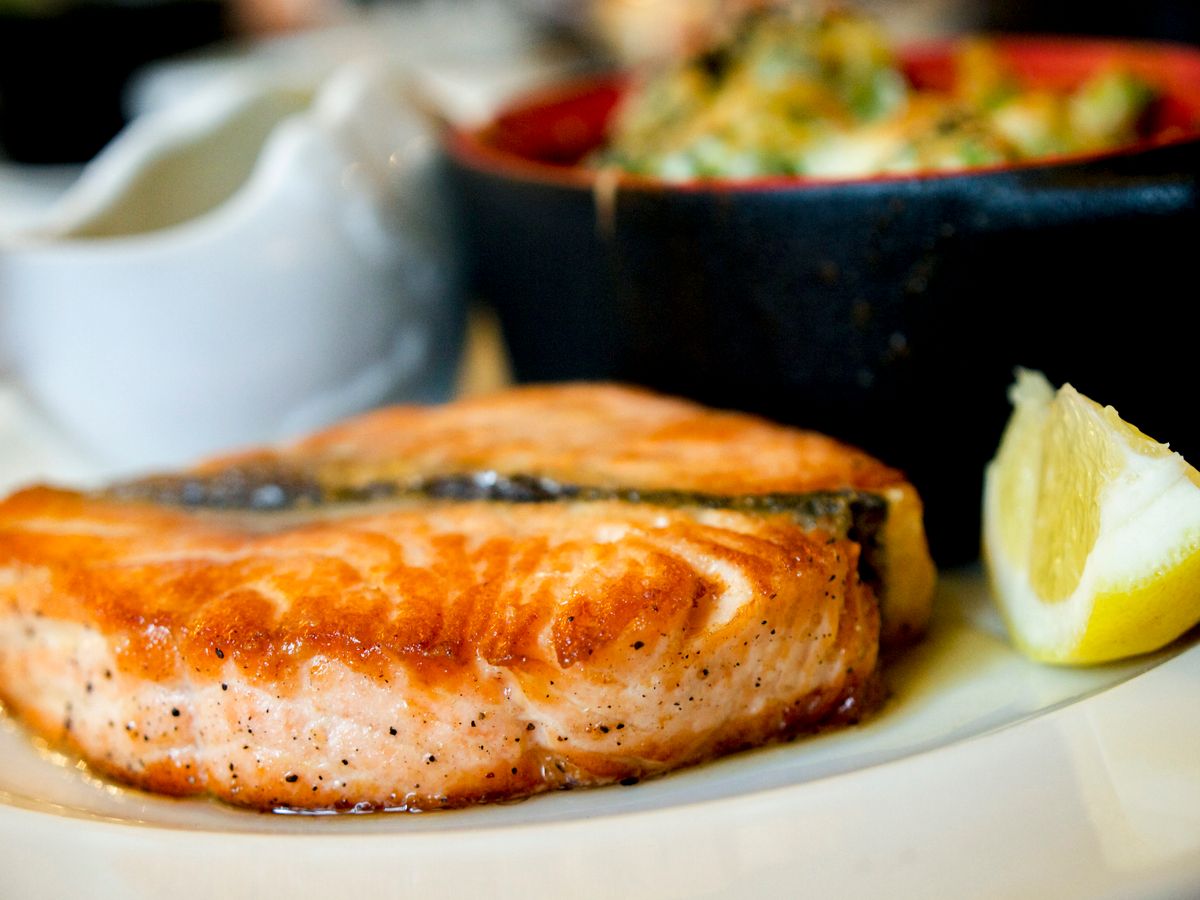
Limiting red and processed meat while eating fish at least twice a week is linked to a meaningful reduction in cardiovascular disease risk.
Heart-Protective Foods
Practical additions to a daily menu.
- Fatty fish: omega-3 fatty acids are effective at lowering triglyceride levels.
- Leafy greens: their nitrate content helps regulate blood pressure.
- Whole grains: soluble fiber binds cholesterol and helps carry it out of the body.
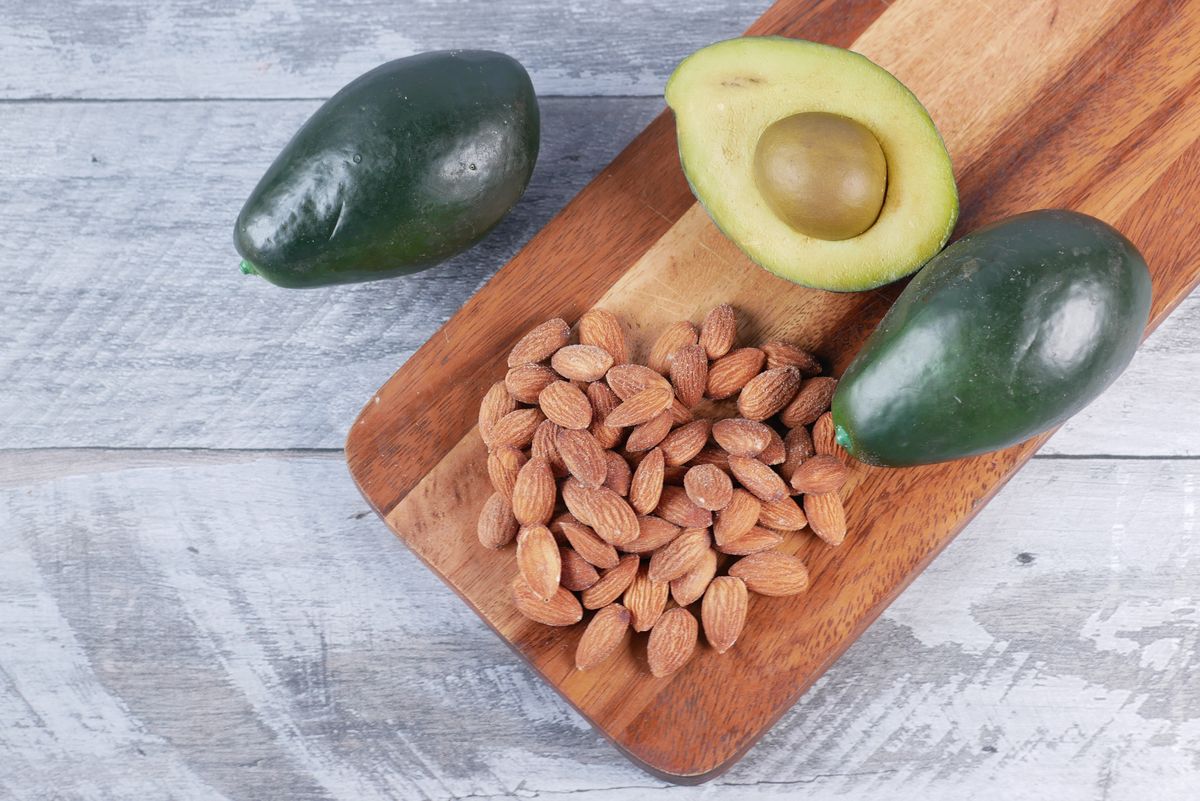
- Nuts: a good source of healthy fat and plant protein in moderation.

What to Avoid
Trans fats (partially hydrogenated oils), common in processed snacks and some fast food, raise LDL while lowering HDL, making them the most harmful fat type.
Excess salt and sugar affect heart health indirectly through blood pressure and weight; reading labels is the most practical way to spot hidden salt and sugar.
Portions and Timing
How often and how much you eat matters as much as what you eat; regular meal times and reasonable portions curb the tendency to overeat and support weight control.
A heavy meal late at night makes digestion harder and can disrupt sleep quality, indirectly affecting heart health as well.
Eating for heart health is less about banning a single food and more about an overall pattern. Adopting a Mediterranean-style diet as a lifestyle offers far more lasting and sustainable protection than any short-term diet.