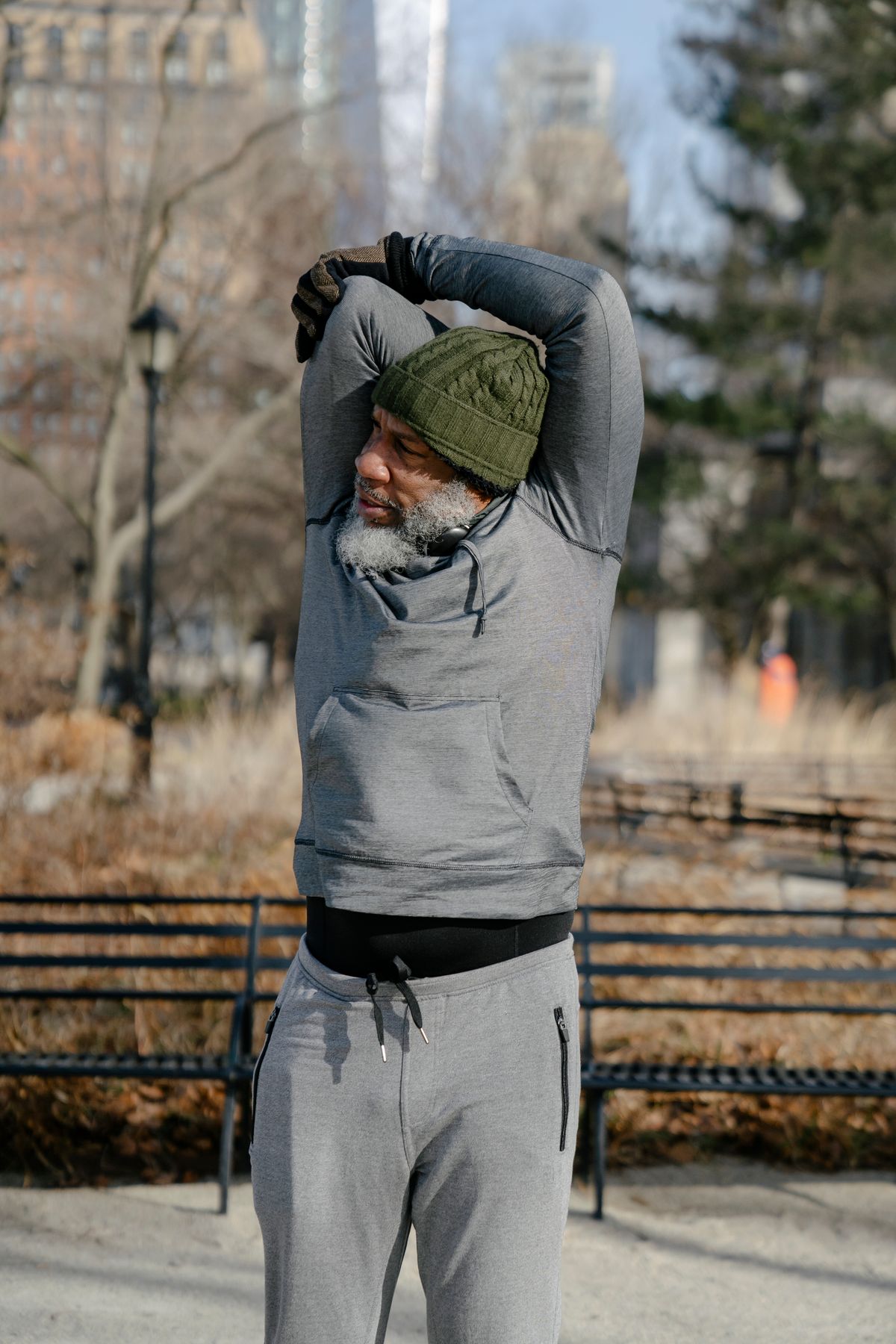
Many people jump straight into the main exercise and treat warming up as a waste of time, yet reviews published in the British Journal of Sports Medicine show that a properly structured warm-up protocol reduces the risk of muscle injury by roughly a third. Warming up isn’t just about "loosening" muscles — it’s a multi-dimensional process that prepares the nervous system, heart rate, and joint fluid for exercise.
What Actually Happens in the Body During a Warm-up?
During a warm-up, blood flow within the muscles increases and muscle tissue temperature rises, making muscles more pliable and increasing contraction speed. At the same time, synovial fluid in the joints thins, widening the joint’s range of motion. A gradual rise in heart rate prepares the body for a staged transition rather than a sudden load spike, lowering the risk of acute cardiac stress. On the nervous system side, warming up directly affects performance by enabling the motor units that activate muscle fibers to fire faster and in better sync.
Static or Dynamic? The Right Type of Warm-up
For years, static stretching — holding a position for 20-30 seconds — was taught as the standard warm-up method; however, current sports science research shows that static stretching before training can temporarily reduce performance in activities requiring explosive power and speed. Dynamic movements like arm circles, leg swings, light jogging, and bodyweight squats are recommended instead. Static stretching still holds real value during the post-workout cool-down phase for gaining flexibility. A 5K runner, for example, who does 5 minutes of dynamic leg swings and light jogging before training will notice noticeably better performance in the first kilometer compared to starting cold — a difference that becomes even more pronounced in cold weather.
How Long Should a Warm-up Take?
As a general rule, an 8-12 minute warm-up is enough for most training types, though this should extend as intensity rises. Before high-intensity activities like sprinting or heavy lifting, for instance, a gradually intensifying warm-up protocol running up to 15 minutes is recommended. In cold weather, since muscle tissue takes longer to warm up, extending the warm-up slightly is beneficial.

Why Sport-Specific Warm-ups Matter
While a general warm-up benefits any workout, the most effective warm-up protocol also includes movements specific to the chosen sport. A basketball player’s warm-up, for instance, should include jumping and direction-change movements, while a swimmer’s should include shoulder rotations, so the body becomes accustomed in advance to the movement patterns it will actually use in training. Research shows that athletes who perform sport-specific warm-ups have noticeably higher performance in the first 10 minutes compared to those who only do a general warm-up, showing that warming up isn’t just injury prevention — it’s a direct performance tool.
A Common Mistake: Skipping or Rushing the Warm-up
Under time pressure, many people skip warming up entirely or rush through it with 1-2 minutes of superficial movement — one of the most common mistakes that raises injury risk. Especially for morning training sessions, since body temperature drops overnight, more time than usual should be devoted to warming up. Treating warm-up as part of performance rather than a step that delays it reduces injury risk and improves training quality over the long run. In short, devoting just 10-15% of total training time to warming up is a small but critical investment that largely determines the efficiency and safety of everything that follows.