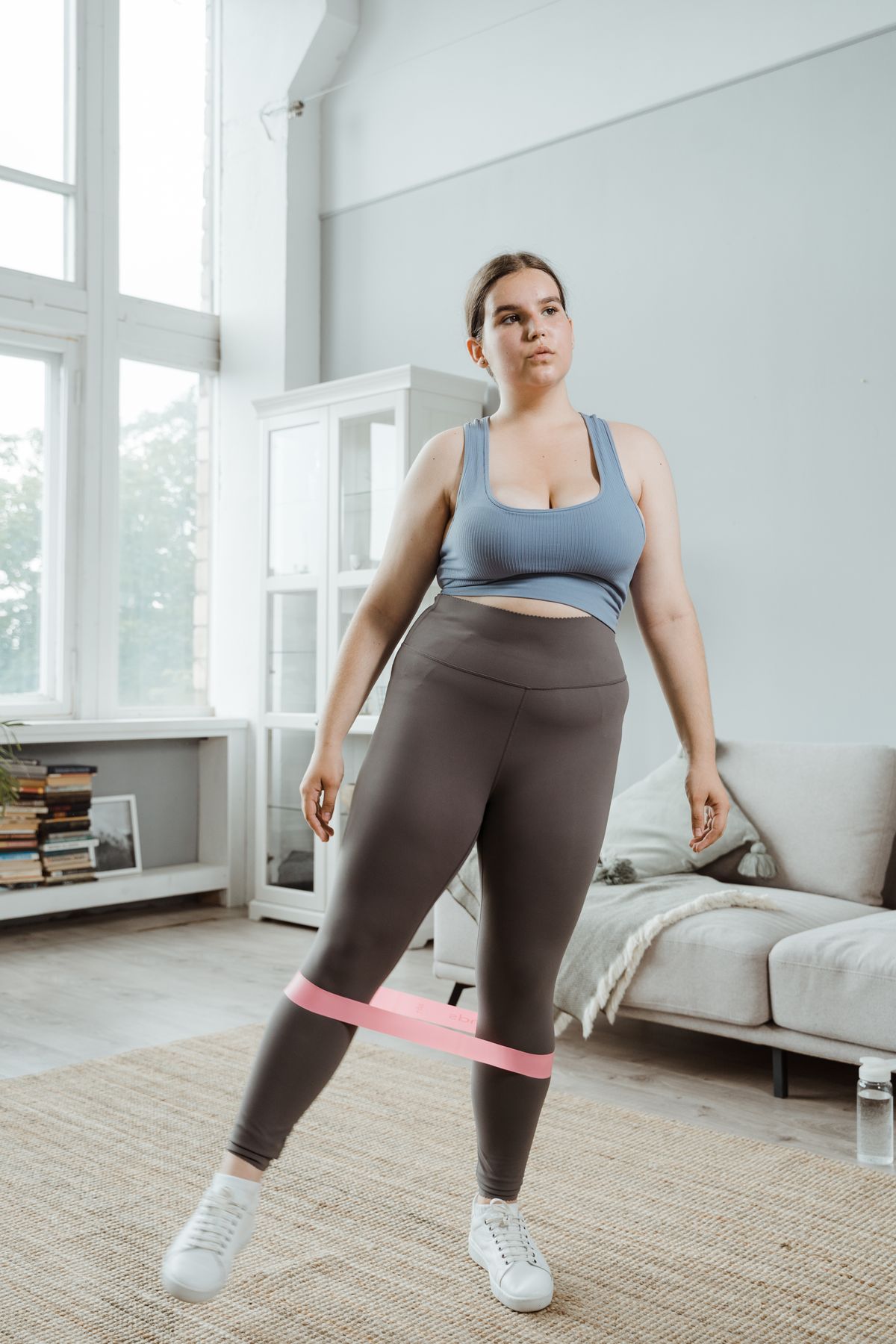
The strong excitement felt when starting a new exercise routine usually fades noticeably by the third or fourth week. That drop isn't a lack of willpower — motivation is naturally fluctuating by nature. The real challenge isn't trying to keep motivation constantly high, but building a system that keeps you going even when motivation is low.
Trust the Habit, Not the Motivation
Research shows that people who stick with exercise long-term aren't more motivated than everyone else; instead, they've turned working out from a "decision" into an automatic habit. A simple routine done at the same time, in the same order, every day removes the need for the brain to spend willpower on that action each time — it becomes as unquestioned a behavior as brushing your teeth.
When a Motivation Slump Is Actually a Signal
Not every dip in motivation comes from the same source; sometimes it signals a need for rest, sometimes that the routine has become boring, and sometimes an unrealistic goal. Someone who keeps training at the same intensity and sees no progress may actually be getting an "overload" signal that the body needs recovery. Telling these apart makes it possible to make the right adjustment instead of being hard on yourself.

4 Strategies for Dealing With Motivation Loss
- Shrink the Goal: An achievable target like "3 days a week, 20 minutes" instead of "5 days a week, an hour" makes consistency easier.
- Change the Setting: The same routine repeated for too long can become boring; a different route, a new sport or training with a friend refreshes motivation.
- Make Progress Visible: Marking a calendar after every workout lets you see accumulated effort concretely and creates extra motivation not to break the streak.
- Accept Rest Without Guilt: A week off is sometimes not a loss of performance but a recovery necessary for long-term sustainability.
Rather than trying to stop the tides of motivation, building small systems that make it easier to keep going even on low-motivation days is the more reliable long-term approach. After all, exercise isn't a sprint — it's a habit meant to last decades.