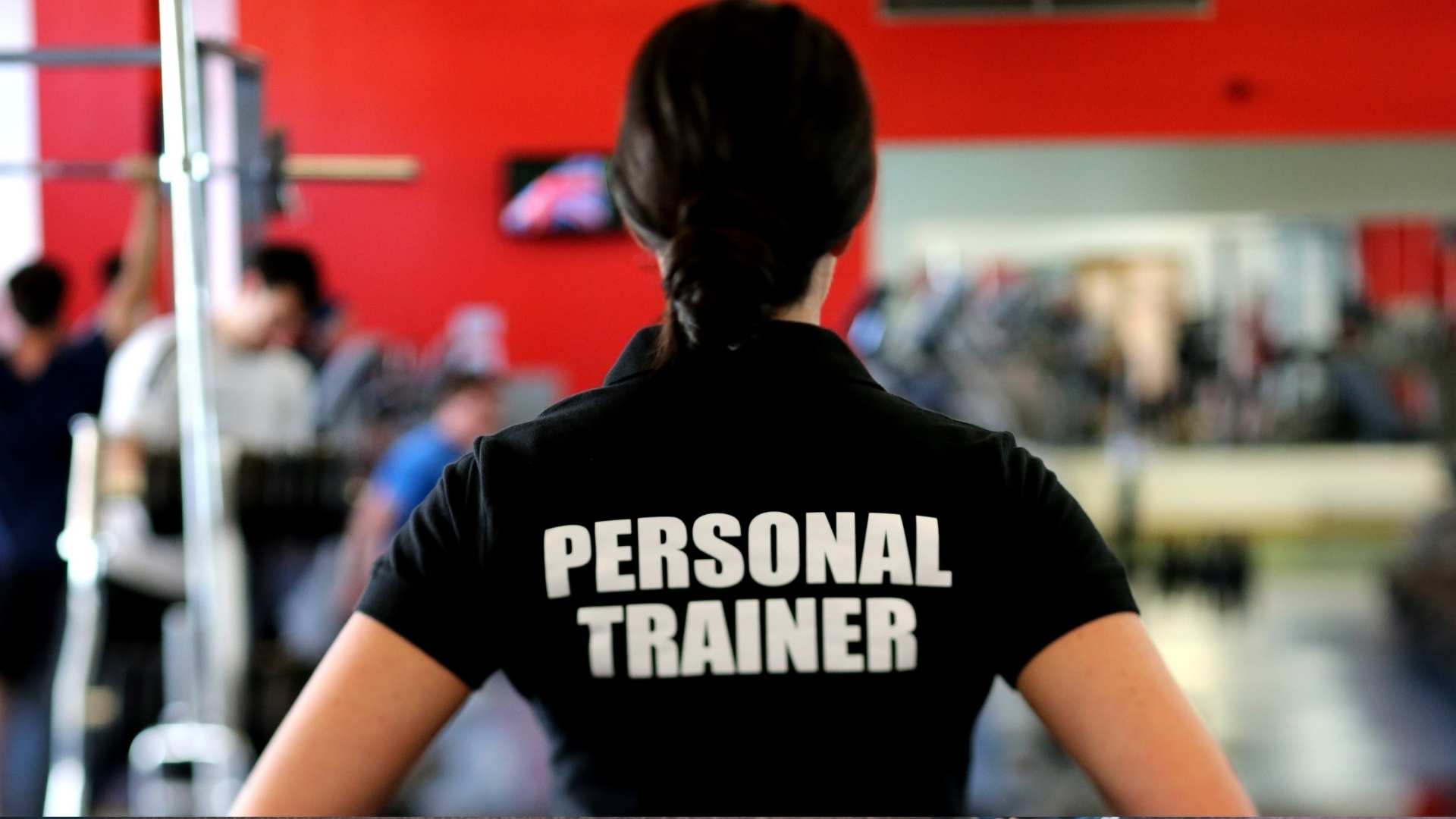
Confusion around stretching mostly stems from a clash between older and newer sports science views; for decades, every workout was taught to begin with static stretching, but recent research has shown that this approach isn't always correct. The real answer depends on the type of stretch and its timing.
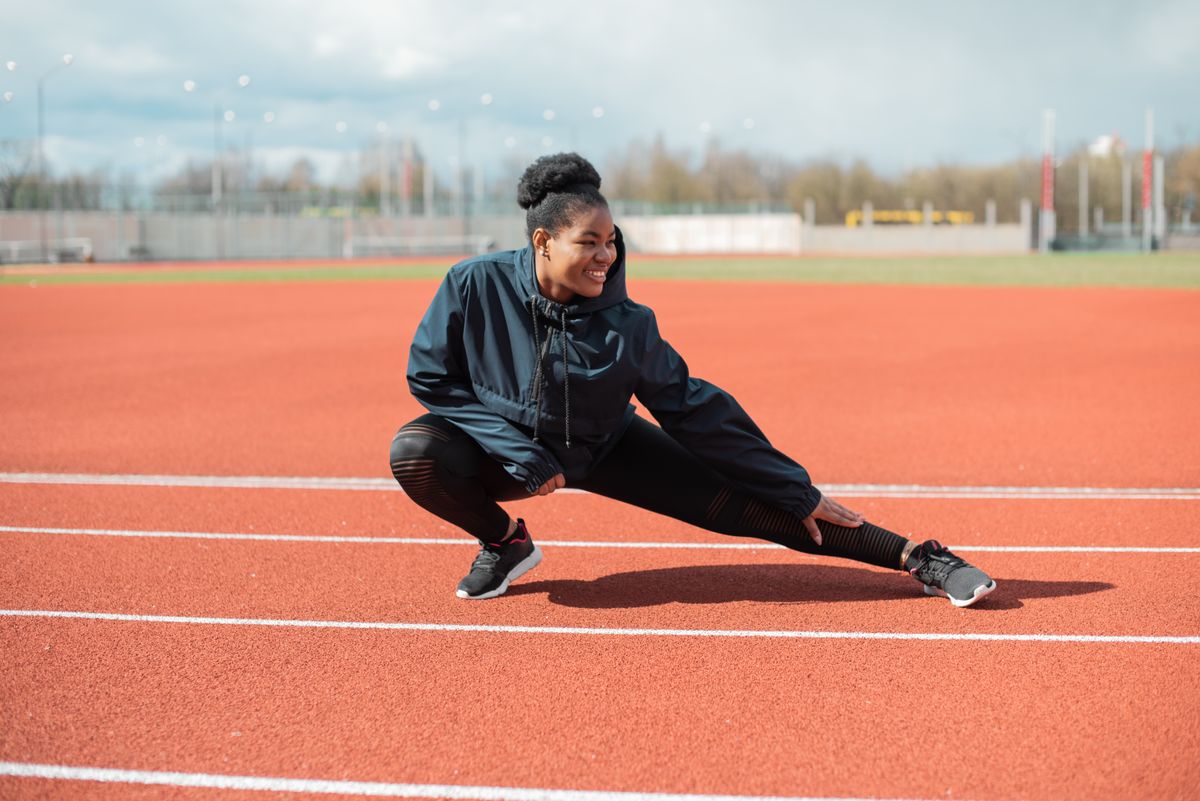
Before Training: Why Static Stretching Can Be Risky
Static stretching — holding a position for longer than 20 seconds — temporarily "loosens" muscles, which can reduce performance by 5-10% in movements requiring explosive power and speed. This happens because a lengthened muscle briefly loses some contraction speed and force. That's why dynamic movements (like leg swings and arm circles) are recommended over static stretching before sprinting, jumping, or heavy lifting.
After Training: Where Static Stretching Really Belongs
The post-workout period is where static stretching shows its real value; done while muscles are warm and blood flow is elevated, static stretching maximizes flexibility gains. Athletes who stretch consistently after training show a lasting increase in joint range of motion over time. Slow, controlled stretching done in this window also calms the nervous system, contributing to the recovery process.
What About Sports Like Yoga or Pilates?
The performance-reducing effect of static stretching mainly applies to sports requiring explosive power (sprinting, weightlifting, basketball); this restriction doesn't apply to activities like yoga, Pilates, or general flexibility training, since those sports are already built around flexibility. While these forms of training call for their own separate warm-up protocol, putting static stretching at the very center of the workout is completely safe there.