Golf is often dismissed as a "slow" sport or one "for retirees," yet during a standard 18-hole round played without a cart, a player walks an average of 8-11 kilometers — and not on flat ground, but typically across sloped terrain, rough, and sand. A study published in the American Journal of Preventive Medicine found that people who golf regularly have a significantly lower overall mortality risk compared to those who don't exercise at all, evidence that golf is a far more serious physical activity than it appears.

Cardiovascular and Musculoskeletal Benefits
A golf swing is a complex kinetic chain requiring simultaneous trunk rotation, shoulder flexibility, and core engagement. Repeated regularly, this motion strengthens the deep muscles of the lower back and abdomen. At the same time, a round played without a cart falls into the moderate-intensity cardio category, and when repeated 2-3 times a week, contributes meaningfully to cardiovascular health. Carrying clubs or pulling a golf bag adds an extra resistance-training effect on the shoulders and back. A typical golf bag with clubs and gear weighs around 7-9 kilograms, which by the end of a round leaves the shoulder and back muscles noticeably fatigued and, over time, builds real muscular endurance.
Mental Benefits and Focus
Because golf requires refocusing on each shot independently of the last, it strongly develops attention control and emotional regulation. After a bad shot, a player has to approach the next one with a calm, reset mind — a skill that also functions as stress management off the course. Spending close to four hours outdoors on green space is also known to contribute to lower cortisol levels and improved overall mood.
A Common Myth: "Golf Isn’t Real Exercise"
The widespread belief that golf doesn’t count as "real" exercise mostly comes from rounds played with a cart. The calorie difference between a round played without a cart — carrying or pushing the clubs — and one played with a cart can be more than double. That’s why people playing golf primarily for physical benefit are usually advised to walk and, where possible, carry their own clubs. Some clubs even offer discounted green fees to walking players as an incentive, a sign that even the golf industry has recognized the added value of playing on foot.
Who Is Golf Especially Well Suited For?
Because of its joint-friendly nature, golf is a rare exercise option for people with knee or hip issues who avoid sports involving running or jumping. Numerically speaking, a 4-hour round played without a cart can burn roughly 1,400-2,000 calories, while the same round played with a cart often does not reach even half that figure. Golf can also be played solo or as a social activity, making it one of the few sports that reduces both physical inactivity and social isolation at once. For adults over 50, its balance- and coordination-preserving movements also make it stand out among sports that lower fall risk.
4 Things to Know Before Starting Golf
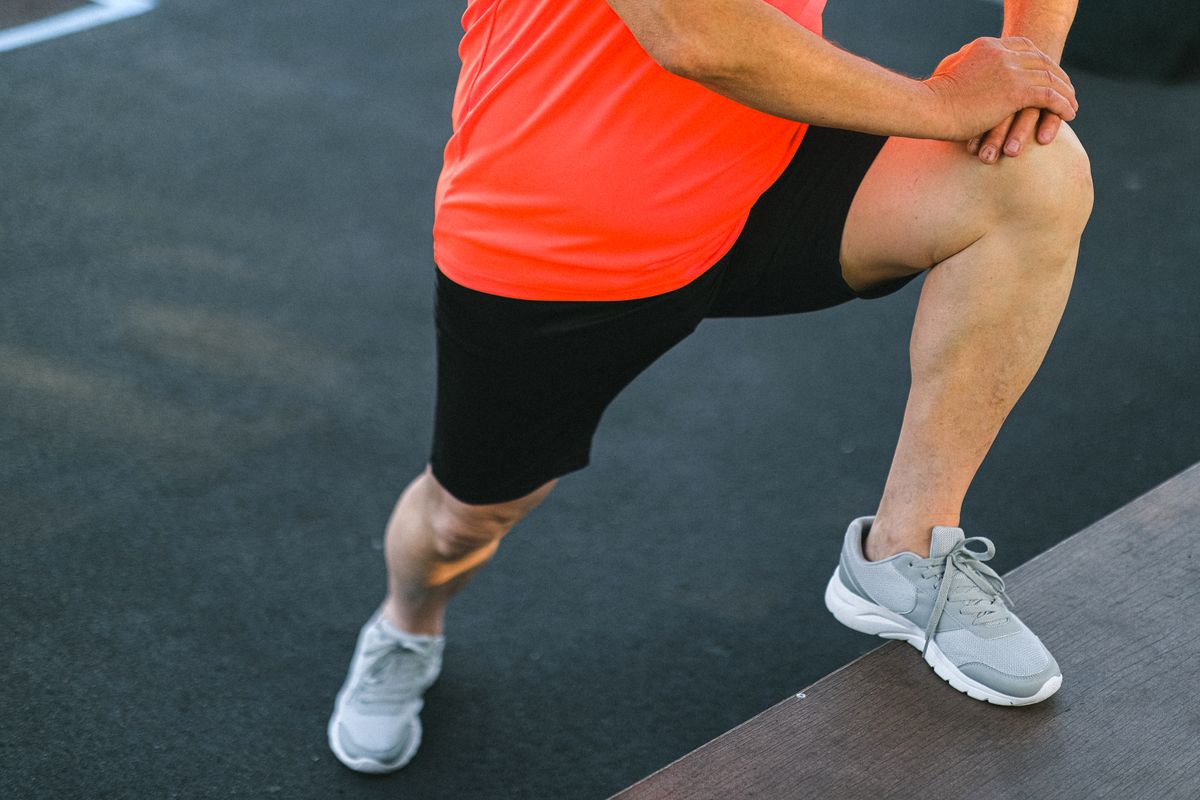
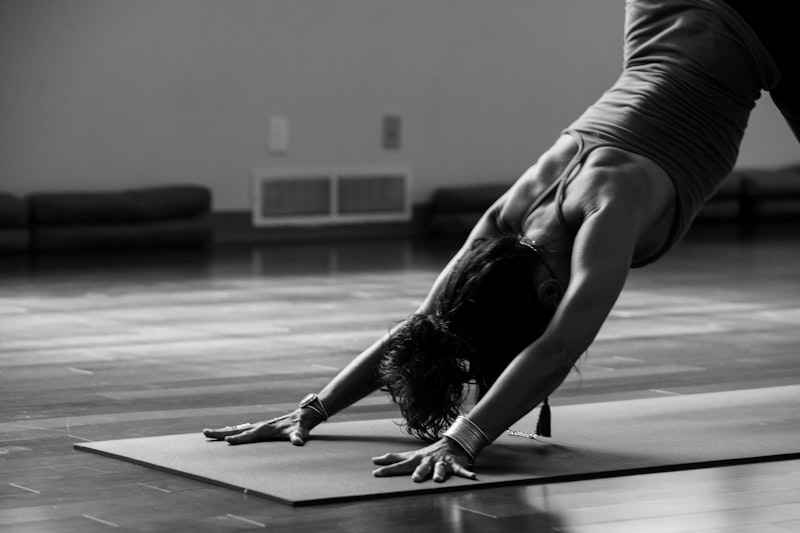
- Don’t Skip the Warm-up: The golf swing places sudden rotational load on the spine; a 5-10 minute dynamic warm-up meaningfully lowers injury risk.
- Choose the Right Equipment: Clubs that don’t match your height and swing speed both hurt performance and increase joint strain.
- Consider Lessons: A swing repeated with poor technique can gradually lead to chronic elbow and lower-back pain.
- Try Walking the Course: A round played on foot substantially increases the cardiovascular benefit.