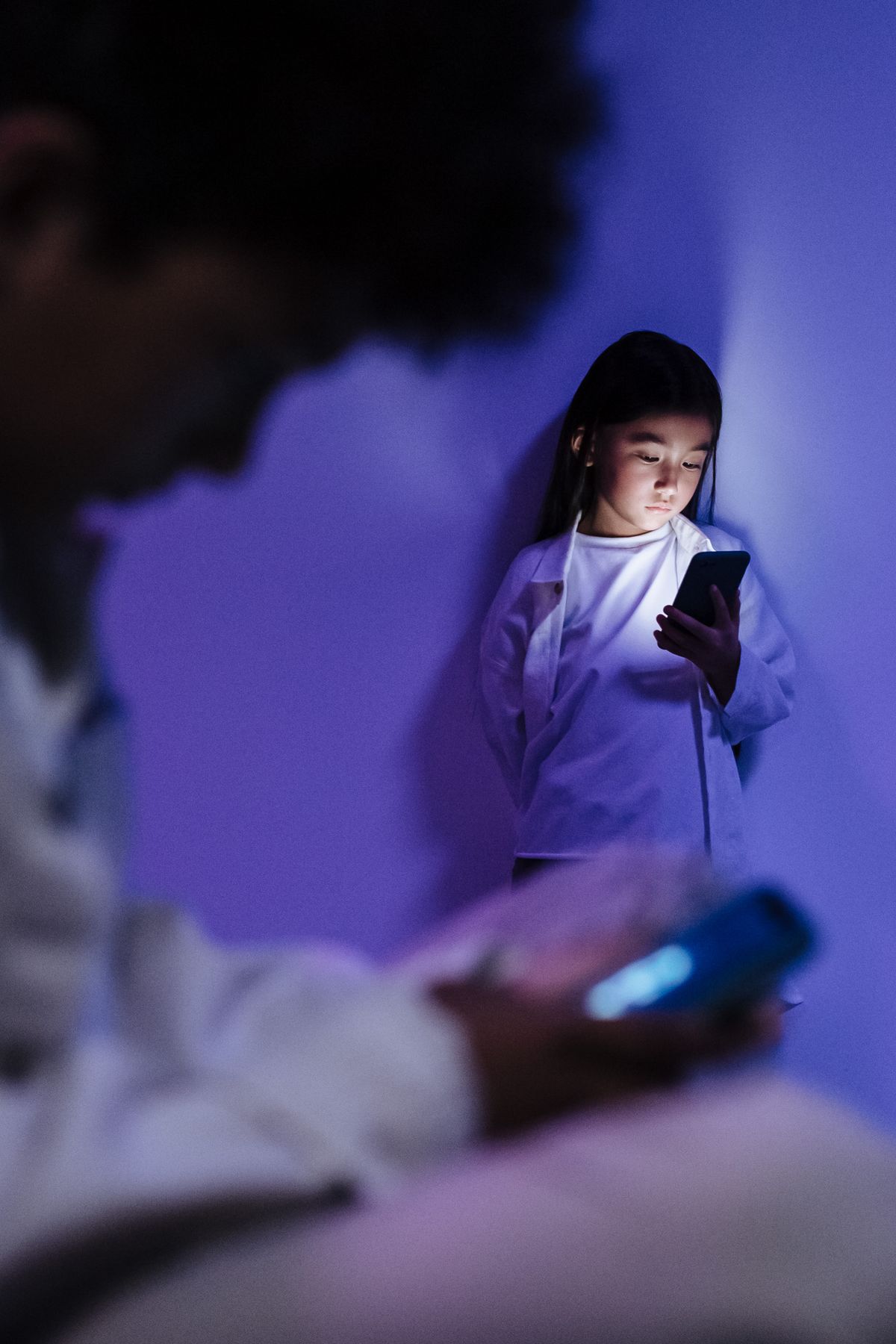
The unease a student feels when their phone is taken off the desk can signal something far beyond an ordinary habit. Screen addiction is now studied not just as "using the phone too much," but as a measurable behavior pattern that directly affects attention span, sleep, and academic performance.
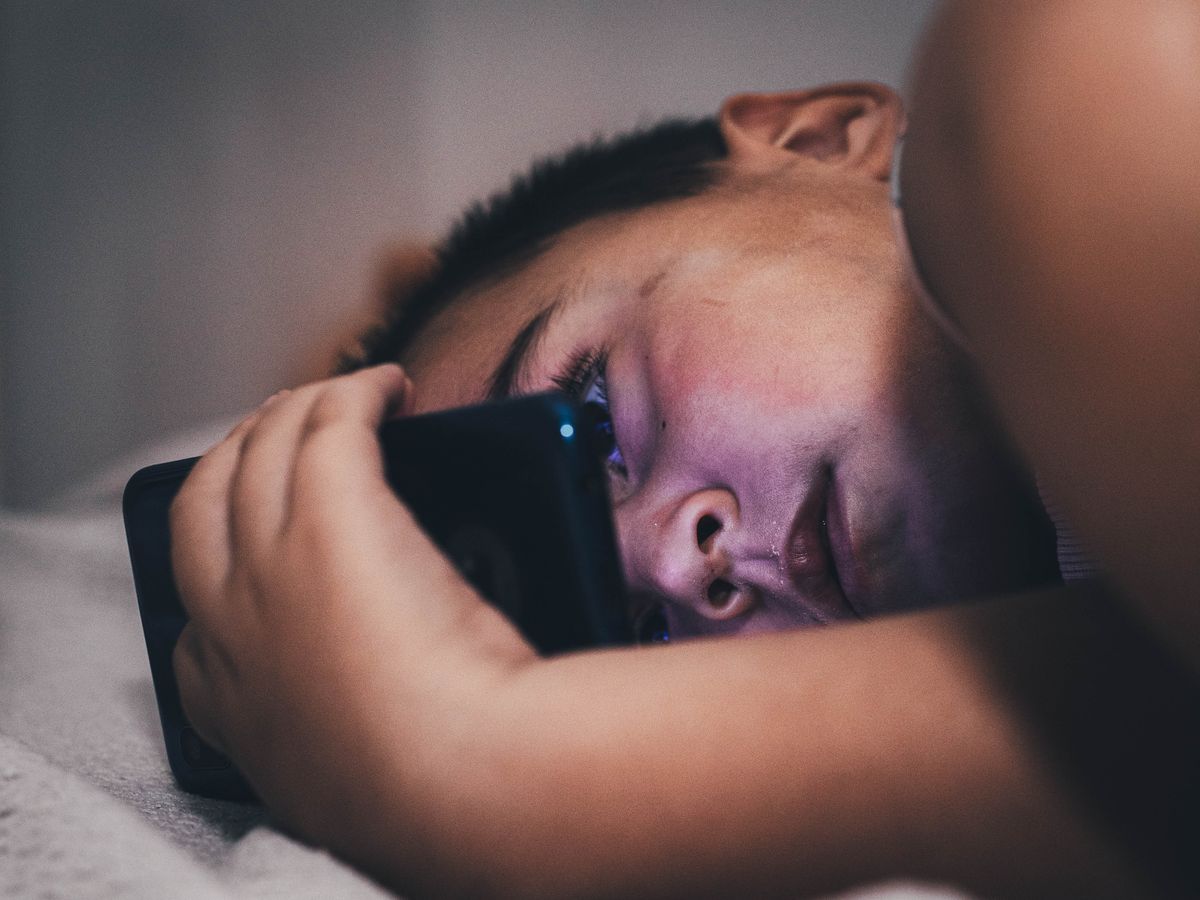
The Difference Between Addiction and Heavy Use
Not all screen use is addiction — the key factor is loss of control. If a student can't notice hours passing in an app they meant to check for "just five minutes," feels restless or irritable without a screen, or keeps postponing basic needs like homework or sleep for it, that has moved beyond a simple habit.
The Quiet Toll on Learning
The issue isn't just time spent on screens — it's that the brain gets used to a constant loop of notifications and fast-paced content. That habit weakens the "slow attention" muscle needed to follow a book or a long lecture. Researchers show heavy screen use hurts short-term memory and deep focus capacity, but that this effect can be partly reversed once limits are set.
3 Approaches That Work for Families
- Set Time Windows, Not Bans: Total bans usually just push use underground; clear windows like "one hour after dinner" produce more sustainable results.
- Create Screen-Free Zones: Keeping the bedroom and dinner table screen-free noticeably improves both sleep quality and family communication.
- Model It Yourself: A parent visibly limiting their own phone use teaches far more effectively than any spoken rule.
Fighting screen addiction isn't about removing technology from life entirely — it's about recognizing how it shapes the brain's attention and reward system, and setting deliberate limits accordingly.