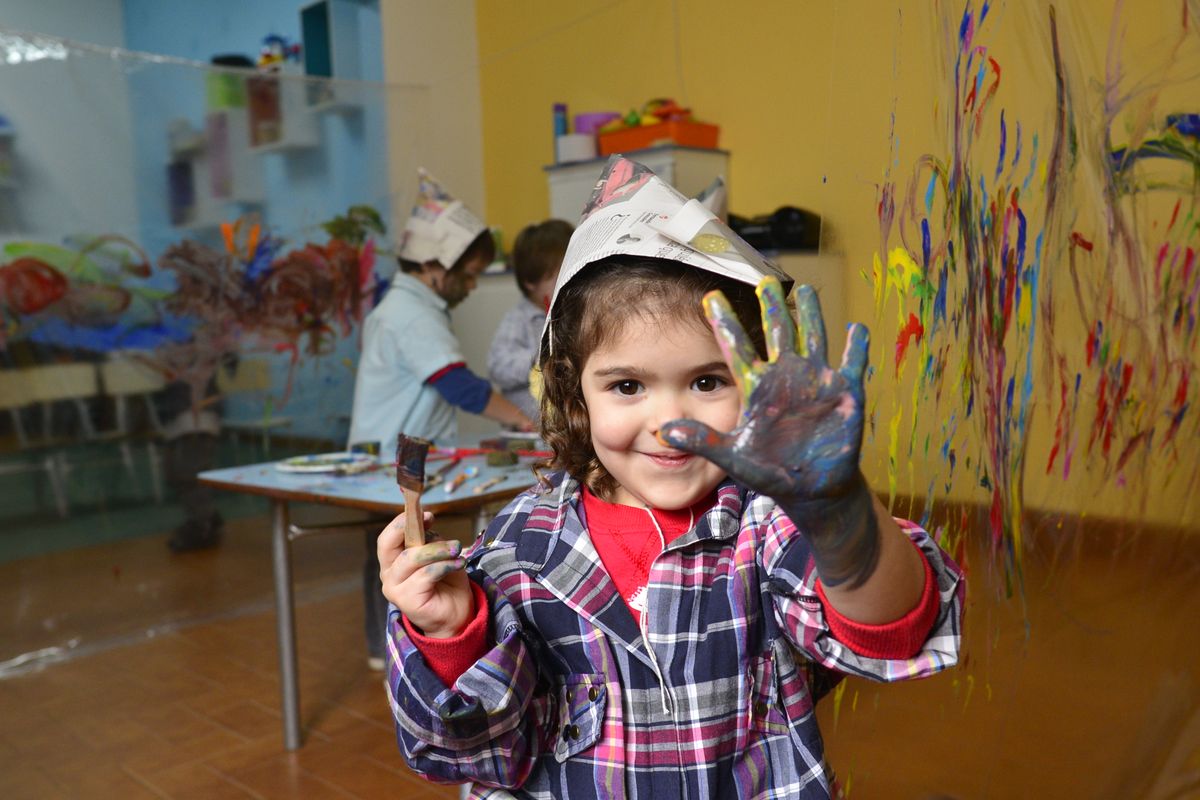
The messy first lines a child draws on paper are often dismissed, yet they are actually a complex bridge the brain builds between visual perception, hand-eye coordination and emotional expression. Visual arts are one of the rare spaces where children can describe the world not only with words, but with color and shape; for a three-year-old whose vocabulary hasn't caught up yet, drawing is sometimes the only truly honest language available.
What Happens in the Brain During Art?
As a child presses a crayon onto paper, fine motor skills develop; while composing an image, spatial thinking is exercised; and deciding which color to choose involves a small but genuine decision-making process. For young children who can't yet fully put feelings into words, drawing can become the safest form of expression — an angry day might appear in dark colors, a happy one in vivid tones. Child development experts note that this kind of free drawing sometimes opens a window into how a child is actually feeling that day, more honestly than any question a parent could ask.
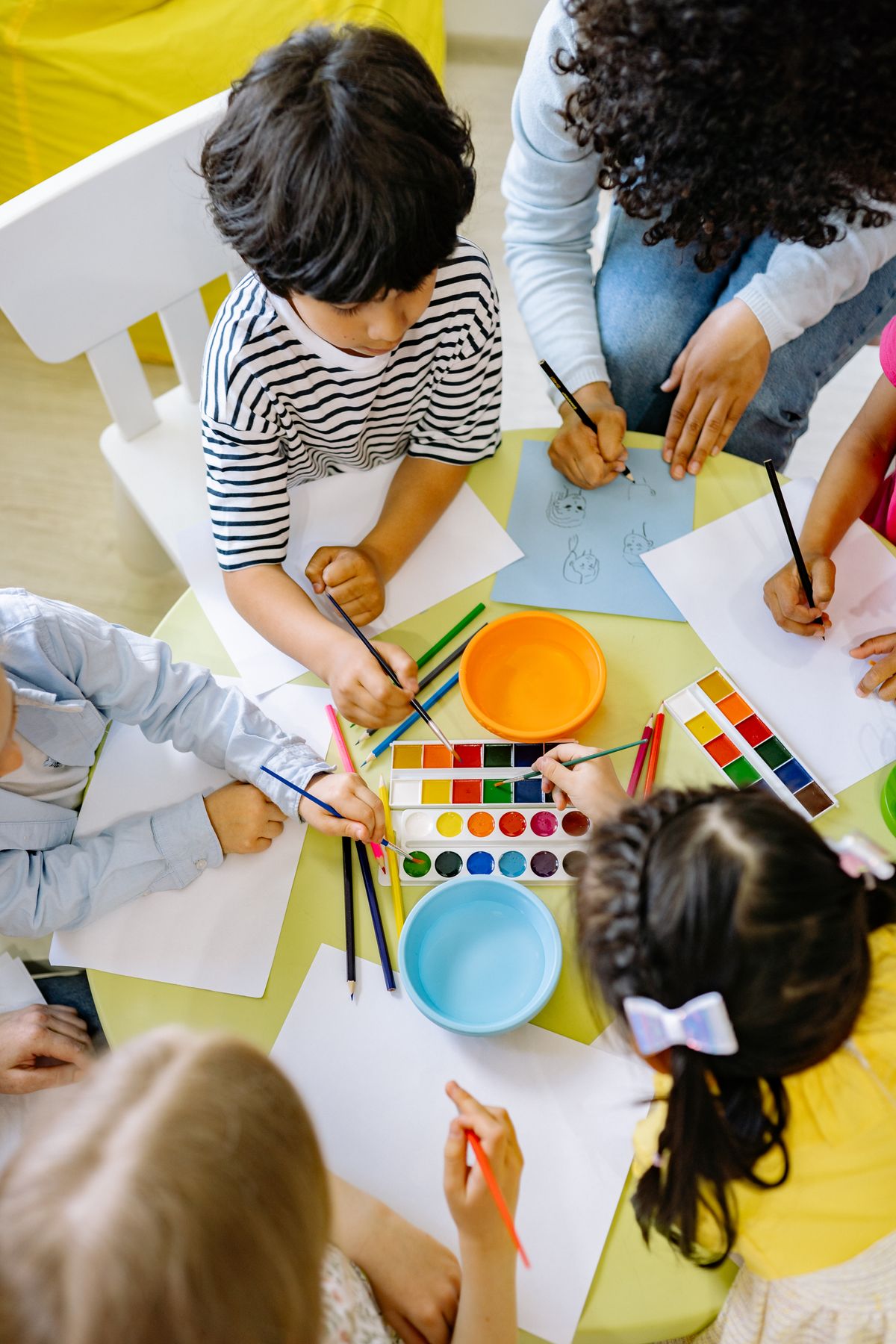
Group art activities also function as a small laboratory for social skills. Sharing paint at a communal table, asking to borrow a brush, or praising a friend's drawing is a small-scale rehearsal for the cooperation a child will need with peers later on. And because there's no "right" or "wrong" answer in the end, even a child with low academic confidence can experiment freely with art — and that ease can gradually spill over into other areas too.
Ways to Encourage Art Activities at Home
Focusing on the process rather than the result is the single most important attitude: instead of "What a nice drawing," asking "Why did you choose this blue?" directs attention to the thinking behind the drawing and helps the child feel their own choices are valued. Offering a variety of materials — crayons, watercolors, clay, recycled items — brings different sensory experiences, while blank paper rather than pre-outlined coloring books lets a child freely build their own composition. Finally, hanging a finished piece on the fridge or a board is a small but powerful gesture; it shows the effort is valued and strengthens the urge to reach for the brush again next time.