
Research shows a young child asks well over a hundred questions a day; words like "why" and "how" are their tools for making sense of the world. Yet as children grow, the frequency of these questions drops sharply — some studies show it falling to a tenth of that by adolescence. Keeping curiosity alive is one of the strongest investments we can make in a child's lifelong love of learning.
Why Does Curiosity Fade?
One reason is that adults, under time pressure, tend to give quick, closing-off answers to questions. Replies like "because it just is" or "we'll look later" may seem practical in the short term, but they send the message that questioning doesn't lead anywhere. The school system, too, sometimes focuses so much on finding the correct answer that it fails to reward the act of asking itself — which plays a role in this decline.
Do We Kill Curiosity, or Feed It?
When a child asks a question, responding with "Why do you think that might be?" instead of an instant answer encourages them to think and form their own hypothesis. Likewise, instead of saying "I don't know, we'll look later" to every question, exploring it together sends the message that curiosity is rewarded. Children keep asking questions as long as they feel their curiosity is taken seriously; over time, this loop becomes the foundation of a self-directed, investigative mindset.
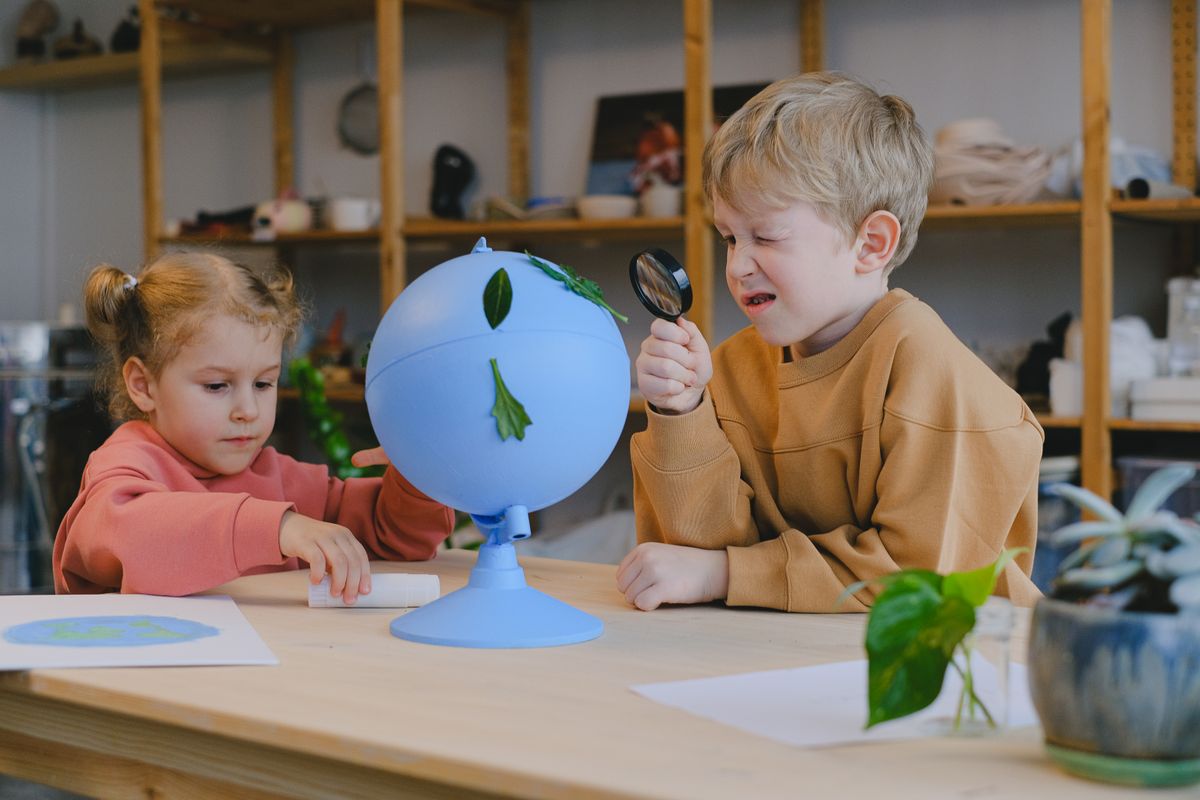
Practices That Nurture Curiosity
- Offer Open-Ended Toys: Legos, blocks and playdough — materials without a single "correct" use — encourage imagination and trial and error.
- Say "I Don't Know, Let's Find Out Together": You don't have to know every answer; exploring together shows that learning lasts a lifetime.
- Make Time for Nature: Watching an insect, collecting leaves or observing the sky shows that learning happens outside the classroom too.
- Make Mistakes Feel Safe: A child afraid of giving a wrong answer also hesitates to ask questions; celebrate mistakes as a natural part of learning.