
Mountain biking demands far more than city cycling; it requires reading technical terrain, making sudden balance adjustments, and reacting instantly to constantly changing ground conditions. Unlike pedaling on a flat road, a mountain biker has to make decisions about line, speed, and body position several times per second, which makes the sport intense both physically and cognitively.
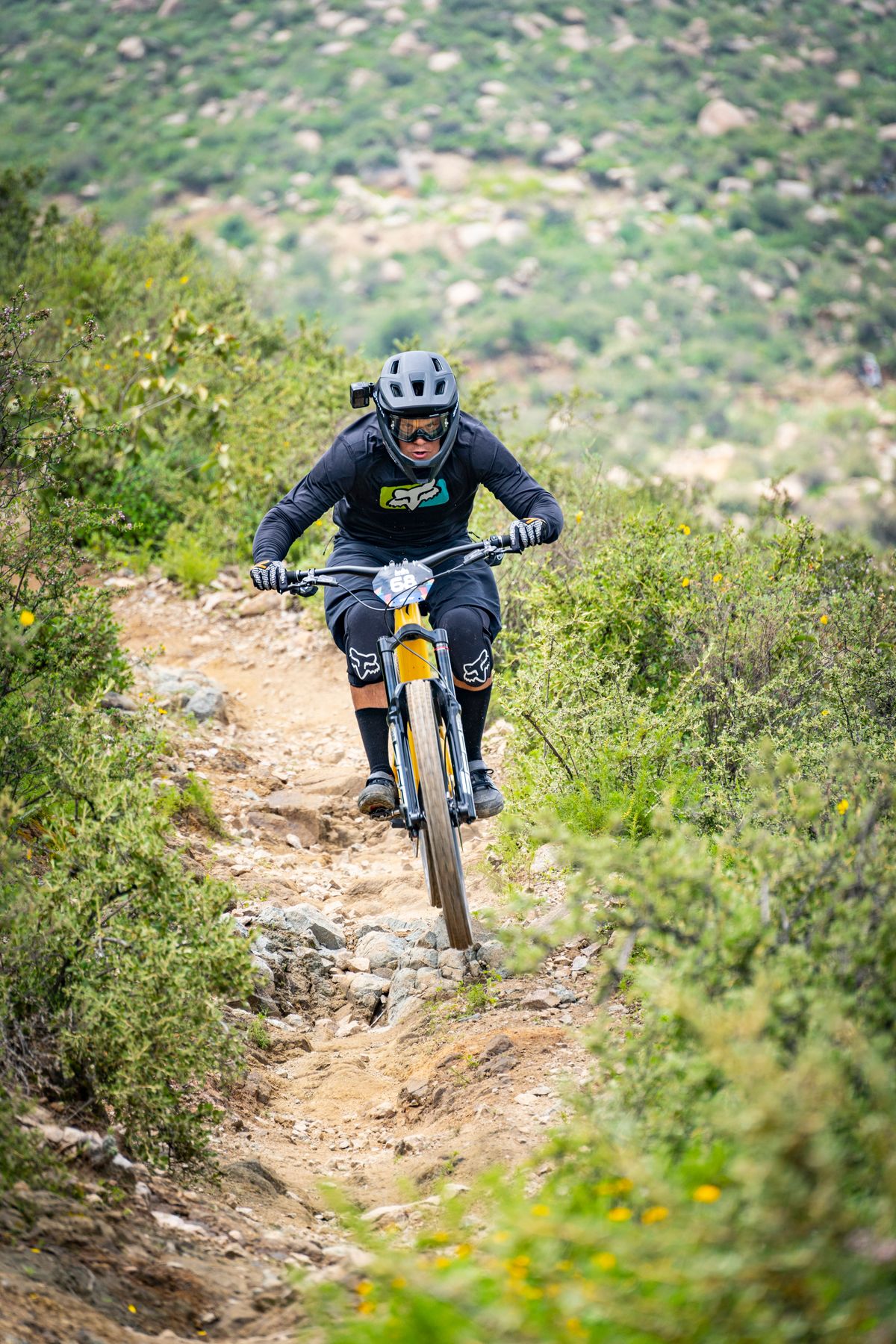
The Unique Conditioning Benefits Mountain Biking Offers
Mountain biking engages far more muscle groups than riding on flat terrain; balancing on uneven ground keeps the core continuously active, while sudden climbs push leg strength to anaerobic limits. Research shows that a moderate-intensity mountain bike ride burns 15-20% more calories than the same duration of flat-road cycling. The constantly changing surface also develops balance and proprioception far more effectively than most other cardio sports.
The Right Gear and Approach for Beginners
The most critical equipment decision for a new mountain biker is choosing the right suspension type; "hardtail" bikes (front suspension only) are more affordable and lighter, making them ideal for those wanting to start learning on moderately difficult trails. A helmet is absolutely mandatory, and knee pads and gloves can prevent serious injury on technical trails where fall risk is high. Beginners are advised to stay off "black diamond" trails far above their level and build confidence on easier green- and blue-rated routes first.
Connection With Nature: An Invisible Benefit
One thing that sets mountain biking apart from other cardio sports is that it puts the athlete in a natural environment; environmental psychology research frequently highlights that exercise done in a forest under natural light has a stronger positive effect on mood than the same-intensity exercise done in an indoor gym. This "green exercise" effect makes mountain biking a valuable activity not just physically but for mental well-being too.