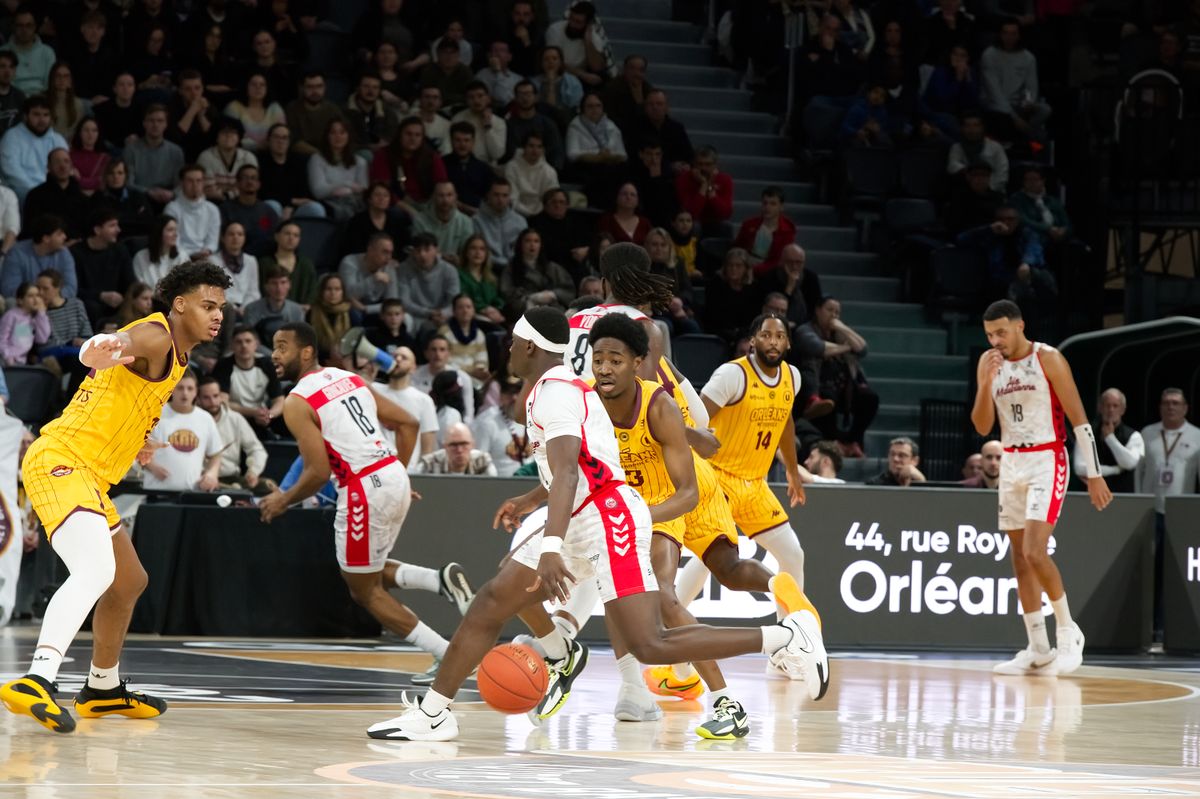
In a basketball game, players change direction, sprint, stop and jump several times a minute on average, making it a highly effective sport for both the cardiovascular and musculoskeletal systems. Yet basketball's real strength lies in how intensely it engages the mind while the body works.
It Teaches Decision-Making in Split Seconds
When a player receives the ball, they must decide in a fraction of a second whether to pass, shoot, or keep dribbling. This constant practice of fast decision-making gradually improves real-life decision speed and anticipation; over the years, these on-court reflexes show up as cognitive flexibility too.
A High-Intensity Interval Workout in Disguise
Sports scientists often compare basketball to "high-intensity interval training" (HIIT): short bursts of sprinting, jumping and changing direction, followed by brief recovery moments. This structure can be more effective at burning calories and building cardiovascular capacity than running at a steady pace — and because the game itself is fun, that intensity often happens without ever feeling like "working out."

Team Spirit and Individual Growth Together
Because basketball is a small, five-player team sport, each player's contribution is more visible than in larger team sports, which strengthens confidence and a sense of belonging. It also involves skills that can be developed individually, like shooting practice, making it one of the rare sports that feeds both team and individual motivation at once.
3 Benefits Basketball Offers
- Cardiovascular Endurance: Constant running and changing direction significantly improves heart and lung capacity.
- Hand-Eye Coordination: Dribbling and passing movements strengthen fine motor skills and reaction time.
- Bone Density: As a sport involving jumping, basketball contributes to bone health, especially at a young age.