Anxiety is the body’s natural alarm response to a perceived future threat; in moderate doses it’s useful, but when it becomes constant, it can disrupt daily life, sleep and relationships. Coping with anxiety isn’t about eliminating it entirely — it’s about learning to function alongside it.
What the Body Signals
A racing heart, chest tightness, shortness of breath and nausea are among the most common physical signs of anxiety; they can sometimes feel intense enough to be mistaken for a heart attack.
Mentally, constant worry, trouble concentrating and a tendency to imagine worst-case scenarios (catastrophizing) are common patterns.
Techniques for Calming Down in the Moment
Methods that can be applied quickly during a spike.
- 4-7-8 breathing: inhale for 4 seconds, hold for 7, exhale for 8 — this calms the nervous system.
- 5-4-3-2-1 grounding: naming five things you see, four you hear, and so on interrupts anxious spiraling.
- Cold water: splashing cold water on the face can stimulate the vagus nerve and slow the heart rate.
Longer-Term Strategies
Regular exercise, quality sleep and limiting caffeine are core lifestyle factors that reduce how often anxiety flares up; cognitive behavioral therapy remains one of the most evidence-backed ways to reshape thought patterns.
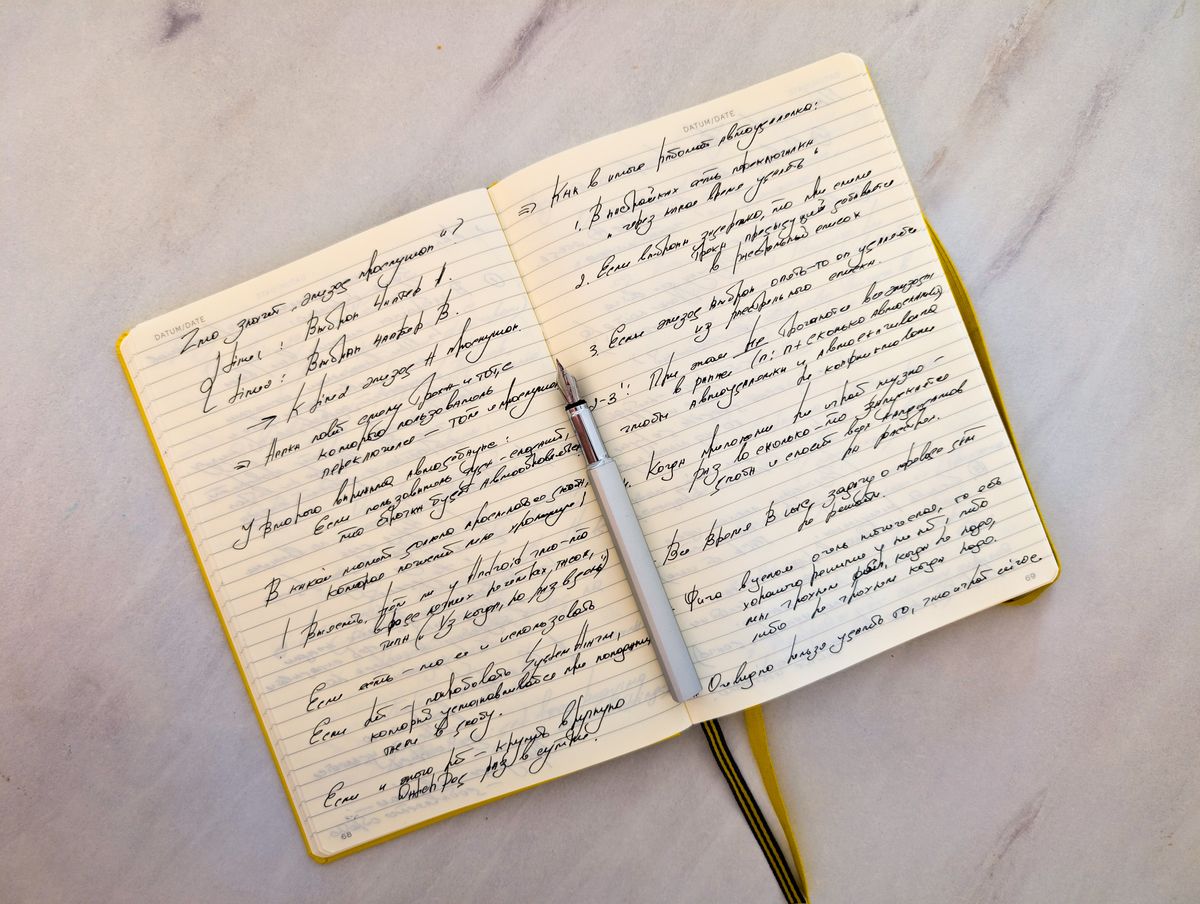
Journaling can make the source of worries visible, helping "empty" the mind and notice recurring triggers.
When to Seek Professional Support
If anxiety is clearly disrupting daily functioning — work, relationships, sleep — or panic attacks are becoming more frequent, it’s time to see a mental health professional.
That isn’t a sign of weakness; it’s a practical step that, with the right tools, leads to faster recovery — therapy combined with medication when needed shows strong success rates.
Coping with anxiety takes time, and no single technique works for everyone. Trying a few approaches and finding what fits, treating the process as personal discovery rather than failure, is the most sustainable way forward.