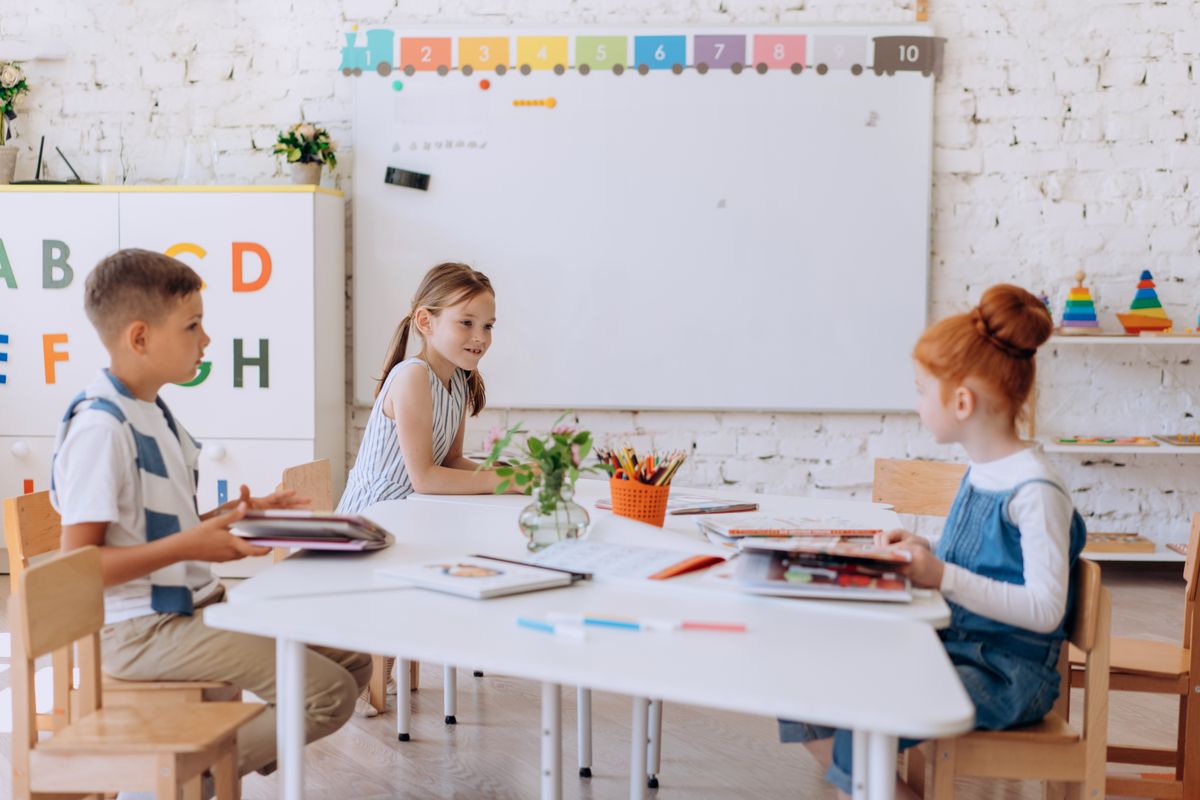
The moment we start forming our own reply in the middle of someone else's sentence, we have already stopped listening. Researchers call this "response-waiting mode": our ears are still open, but our mind has already left to rehearse the next line. Active listening is about breaking that automatic habit and genuinely tuning in to the other person — a teachable skill that reshapes both classroom learning and everyday relationships.
The Difference Between Hearing and Listening
Hearing is a physical event; listening is a mental choice. An active listener makes eye contact, shows engagement through body language, uses brief verbal cues, and — most importantly — lets the other person finish their thought without interrupting. When students build this skill, the quality of classroom discussion improves, because they listen to understand rather than simply waiting for their turn. Interestingly, this difference is usually felt by the other side too: someone who feels genuinely heard tends to open up and speak far more honestly.
Why It Matters for Teachers and Parents
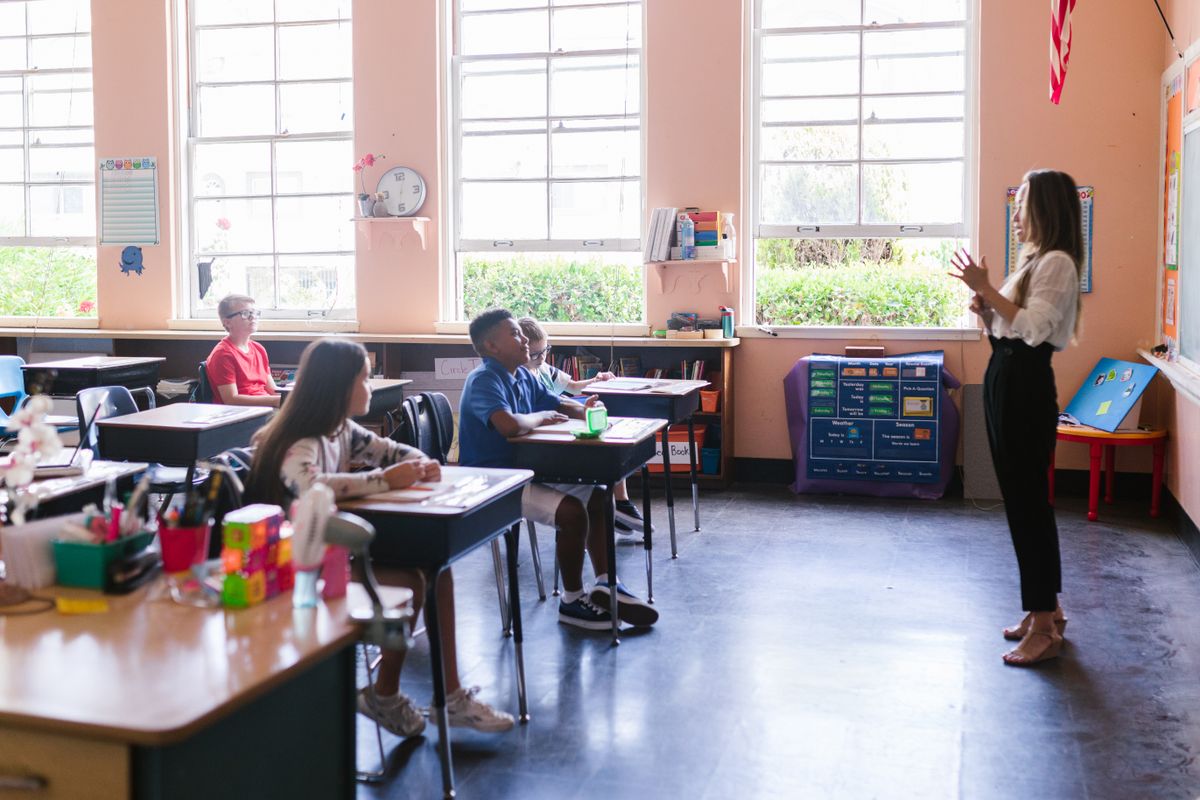
When a child or student notices they are being heard without interruption, they start expressing their thoughts more openly. This dynamic also works in classroom management: a teacher who waits and says "I hear you, go on" models the same patience for the rest of the class. Within a family, active listening has a calming effect during conflict, because feeling "heard" greatly reduces the other person's need to get defensive.
Habits That Strengthen Active Listening
- Listen Without Judging: Instead of preparing your reply while the other person is speaking, focus first on fully understanding what they mean.
- Confirm by Summarizing: Repeat what you heard in your own words with phrases like "So what you're saying is..." — it shows you understood and surfaces misunderstandings early.
- Tolerate Silence: A few seconds of silence before a reply may feel awkward, but giving room to think produces deeper answers.
- Remove Distractions: Phones, screens and background noise are the biggest enemies of active listening — set them aside deliberately during a conversation.
Active listening isn't a skill mastered once and for all — it's a choice practiced anew in every conversation. But that small choice, over time, opens the door to far fewer misunderstandings and far more genuine connection, both in the classroom and at home.