You don't need a gym membership or a single piece of equipment to build serious strength and balance; all you need is to learn how to use your own bodyweight correctly. Bodyweight training is a time-tested method that has formed the foundation of athletic and military training for years.
Why Functional Movement Matters So Much
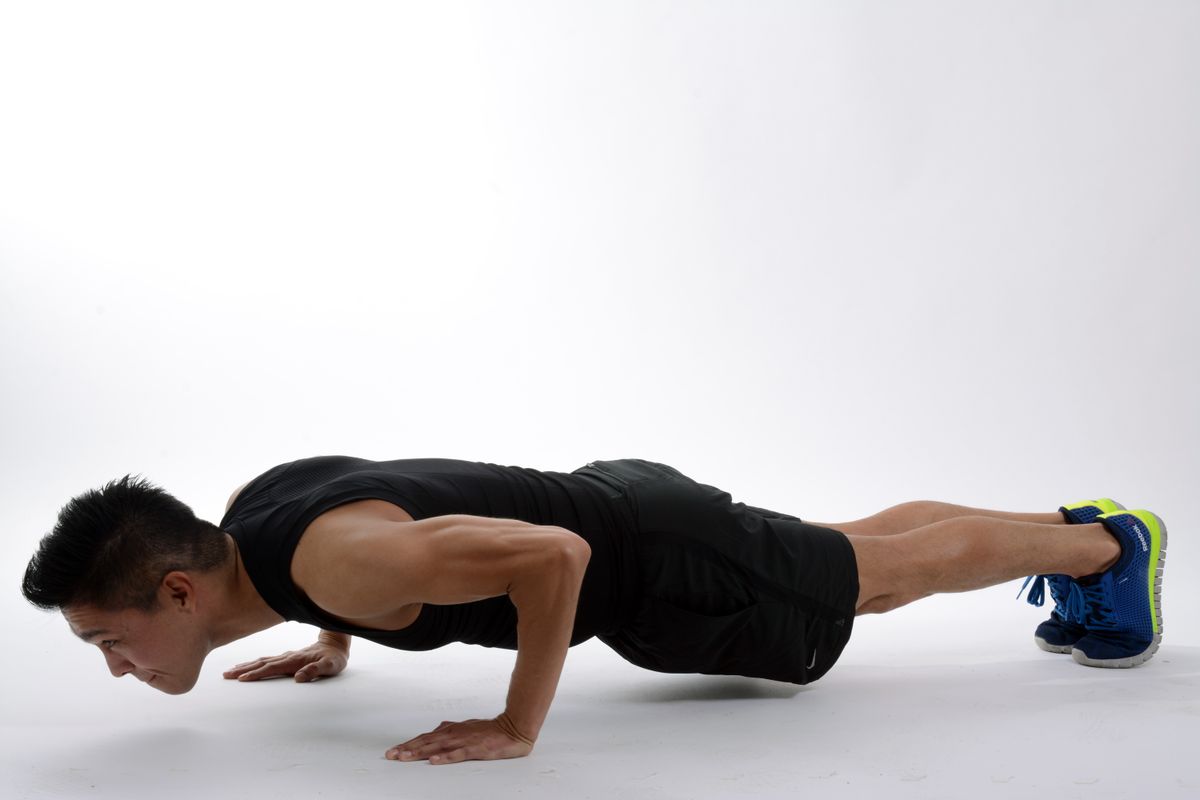
Instead of isolating a single muscle group on a machine, bodyweight movements typically engage multiple muscle groups and joints at once. A push-up doesn't just work the chest — it activates the shoulders, arms and core to maintain balance, building strength that's much closer to how the body actually moves in daily life. Everyday actions like lifting a suitcase off the ground, climbing stairs, or picking up a child are essentially variations of a squat or a lunge — which is why bodyweight training is a direct investment in making life easier, even for people who don't think of themselves as athletes.
Another advantage of this method is how easily it scales. When a push-up feels too hard, you can start with a knee version; once that gets easy, elevating your feet or moving to a single-arm variation raises the difficulty again. Instead of adding weight, changing the angle, speed, or tempo keeps exposing the body to a new stimulus, so progress never stalls.
Where to Start
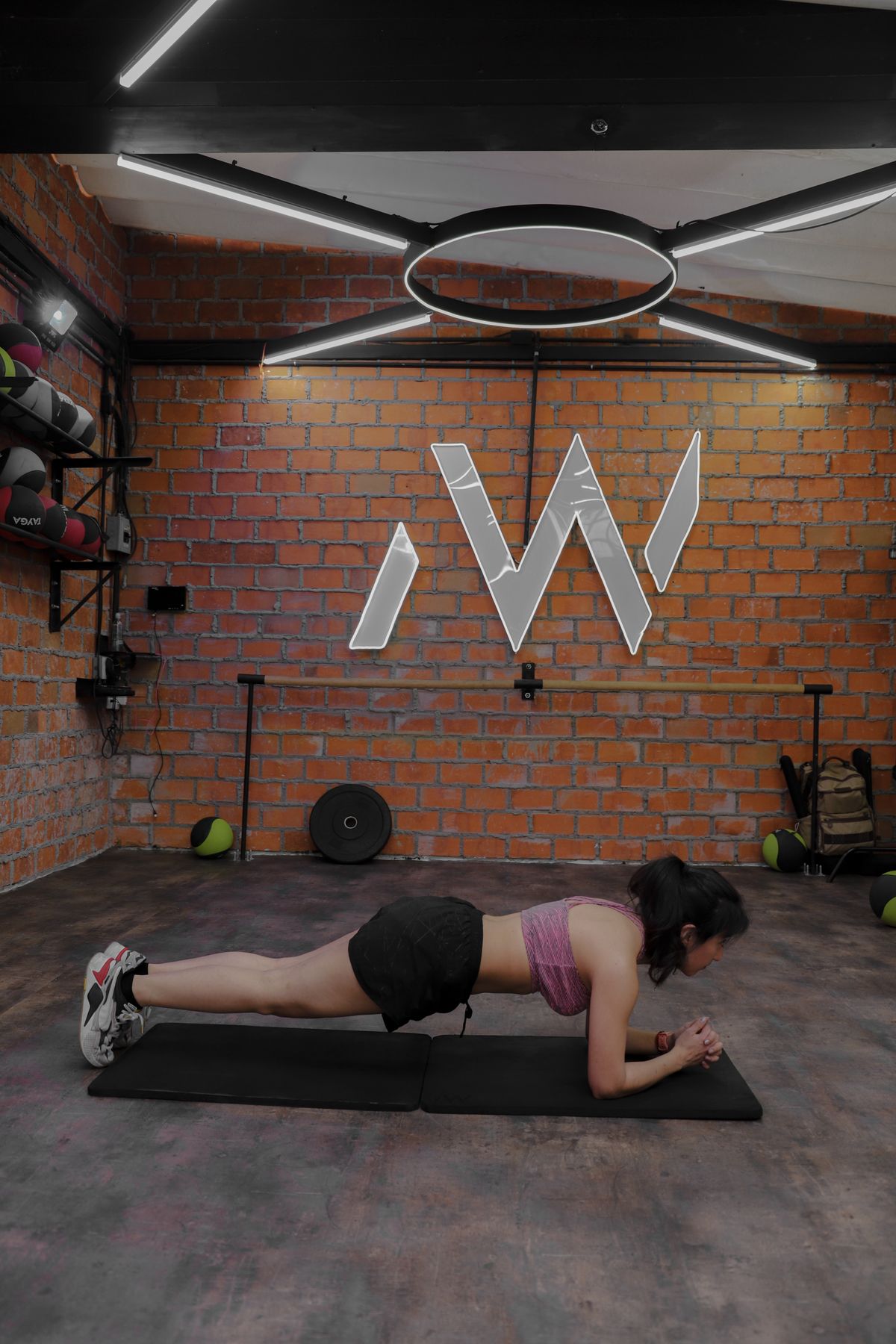
You don't need a complicated program to begin: practicing a handful of fundamental moves like push-ups, squats, planks and lunges two or three times a week, a few sets of each, builds a solid foundation. What matters is prioritizing correct form over speed or rep count, because one rep done with bad form provides less benefit than three reps done correctly — and raises the risk of injury.