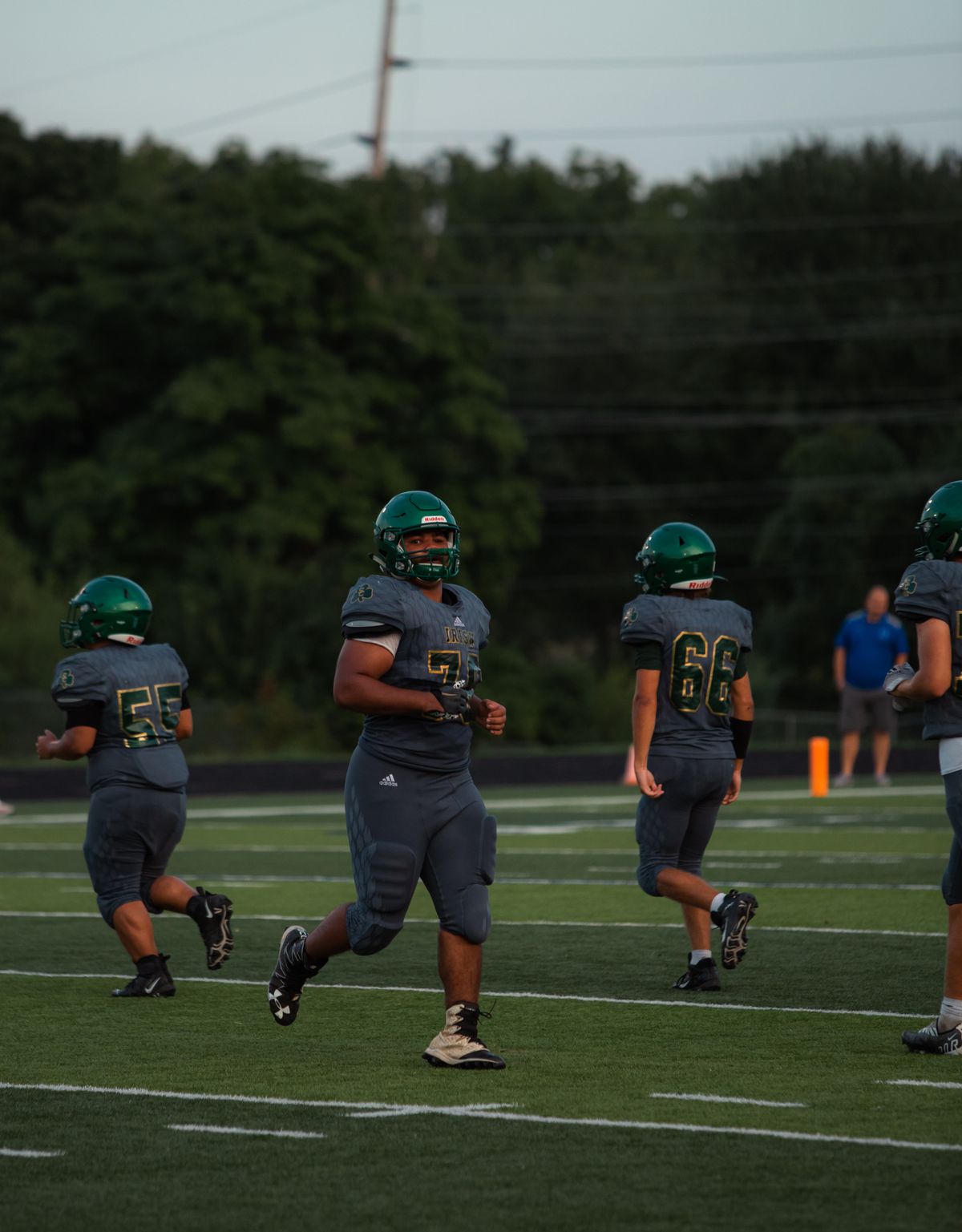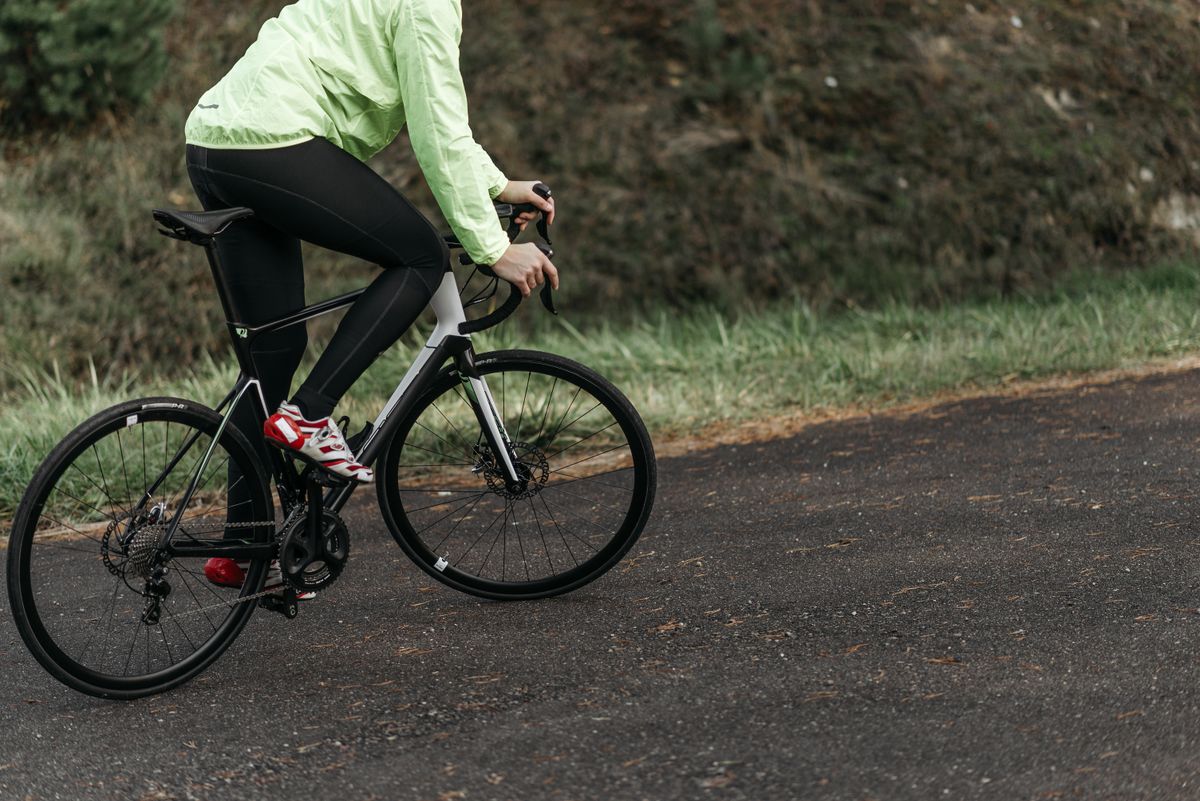
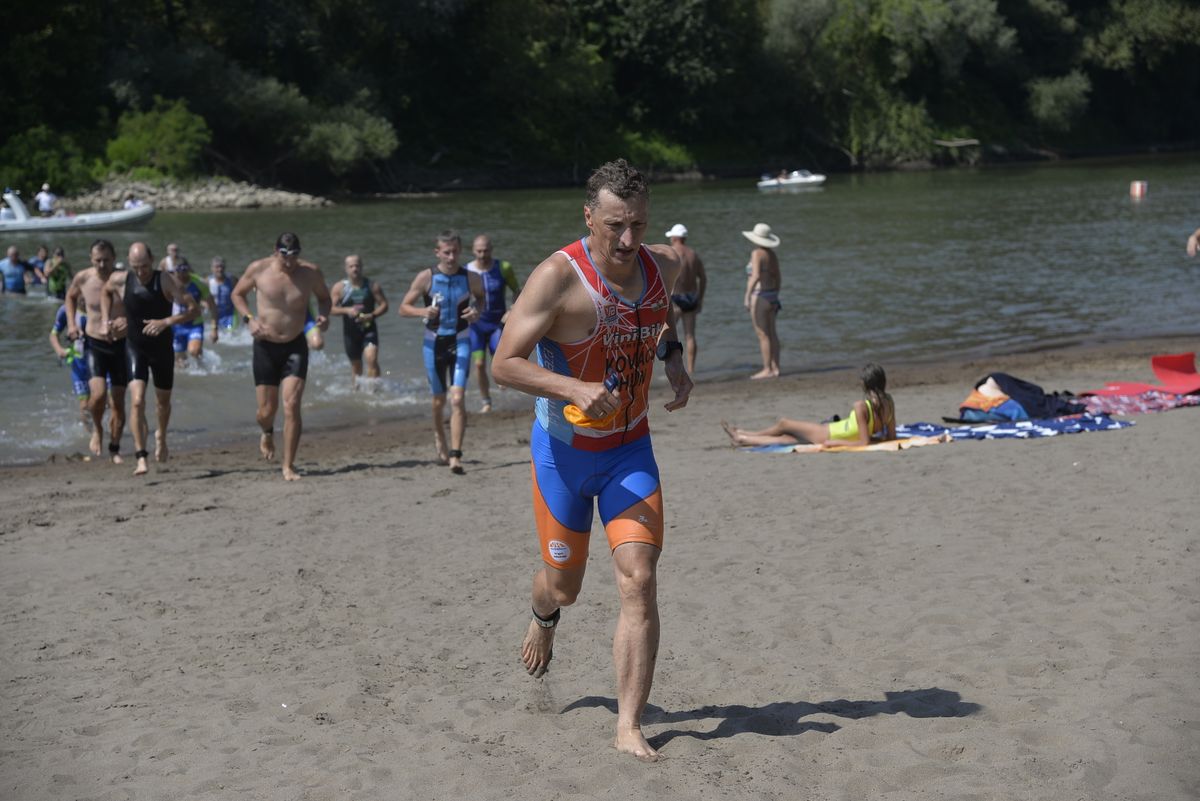
Triathlon was born in 1974 in San Diego when a group of friends decided to settle a "who's the most well-rounded athlete" argument out on the course, and it has since grown into an Olympic sport. Combining three disciplines — swimming, cycling, and running — back to back without a break, it tests not just physical endurance but also the equipment-changing skill known as the "transition," which is why it's considered a discipline in its own right rather than just one sport.
How Are Triathlon Distances Classified?
Triathlon breaks down into four main distance categories: Sprint distance (750m swim, 20km bike, 5km run) is ideal for beginners; Olympic distance (1.5km swim, 40km bike, 10km run) has been on the Olympic program since 2000; Half Ironman (1.9km swim, 90km bike, 21km run) offers a serious goal for intermediate athletes; and full Ironman (3.8km swim, 180km bike, 42km run) is the sport's toughest version, typically taking 10-17 hours. Each distance category demands a different training volume and time commitment.
The Challenge of Training Three Disciplines at Once
The biggest challenge that sets triathlon apart from other endurance sports is the need to develop three different muscle groups and energy systems in balance. A triathlete's weekly schedule typically includes 2-3 swim, 2-3 bike, and 2-3 run sessions, adding up to an 8-10 hour weekly time commitment. A special training type called the "brick" workout, which pairs a bike session immediately followed by a run, is critical for simulating how the legs feel on race day — getting off the bike and starting to run creates an unfamiliar heaviness in the legs that has to be trained for specifically.
How Much Does Gear Actually Matter for Beginners?
One of the most common traps new triathletes fall into is wanting to invest in an expensive triathlon bike or aerodynamic gear before their first race, when at sprint distance the performance gap mostly comes from training, not equipment. Any road bike, a pair of swim goggles, and comfortable running shoes are enough to confidently toe the line for a first race. Most experienced triathletes recommend investing in gear only after completing a few races and genuinely committing to the sport, an approach that avoids unnecessary spending and keeps the athlete focused on what actually drives progress: training.
A Common Myth: "Triathlon Is Only for Professionals"
The widespread perception that triathlon is a grueling arena reserved for elite athletes is one of the biggest myths holding the sport's growth back. In reality, sprint-distance triathlons can be completed by almost any adult who swims, cycles, or runs regularly, with 12-16 weeks of preparation. Many triathlon clubs offer beginner-focused "couch to triathlon" programs, and most of these are designed for participants with no prior experience in any of the three disciplines.