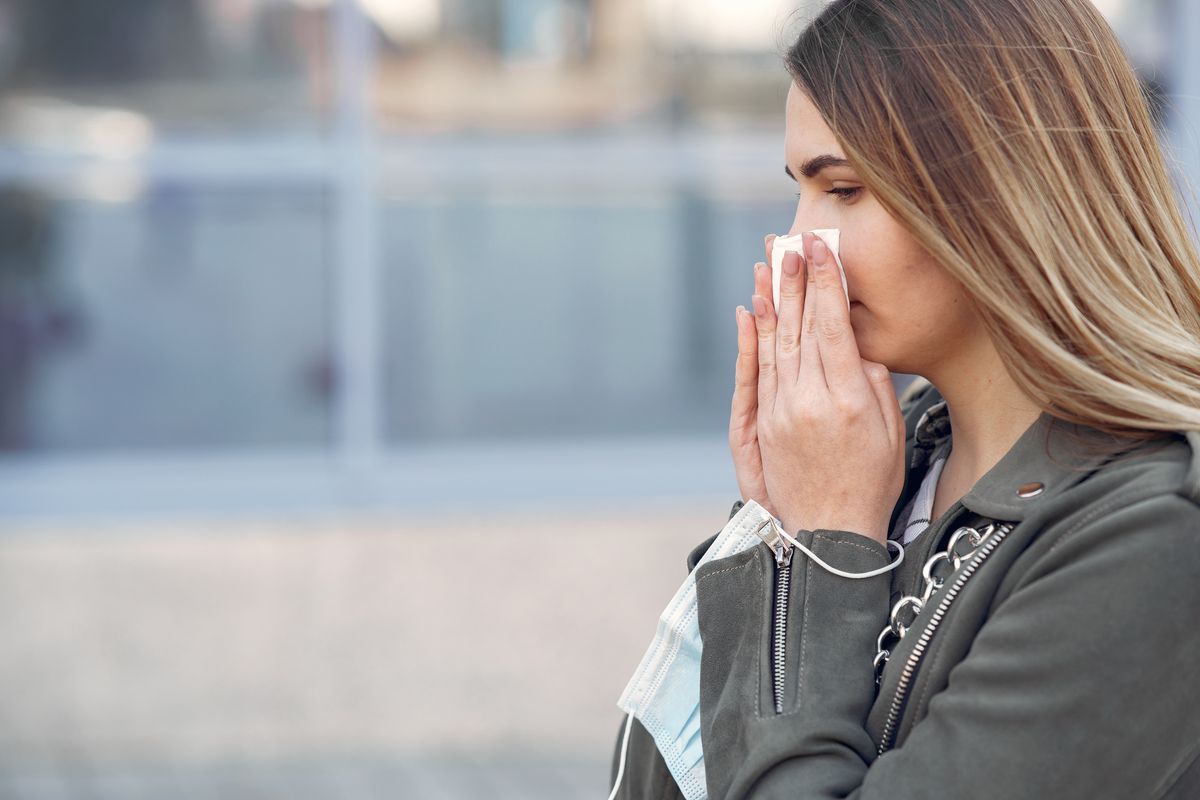
Seasonal allergies (allergic rhinitis) occur when the immune system overreacts to normally harmless substances like pollen. As pollen counts rise in spring and fall, symptoms like sneezing, runny nose and itchy eyes affect millions of people.
Which Pollen Peaks When
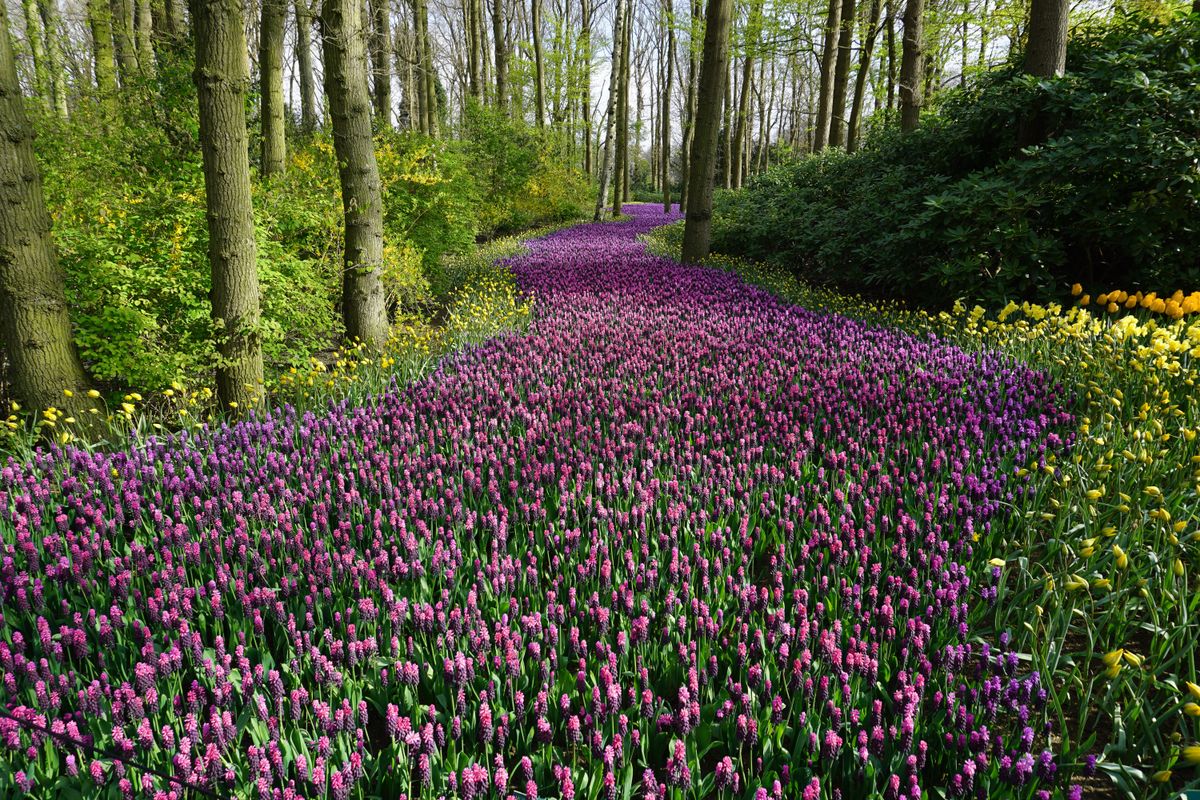
Tree pollen dominates in spring, grass pollen in summer, and weed pollen — ragweed in particular — in fall; knowing this cycle makes it easier to anticipate which season will hit hardest.
Pollen counts rise on windy, dry days and drop temporarily after rain; following daily pollen forecasts helps with planning time outdoors.
Practical Steps That Ease Symptoms
Simple changes can meaningfully cut exposure.
- Keeping windows closed: pollen counts peak especially in the early morning.
- Showering after being outside: removes pollen that settles on hair and skin.
- HEPA air purifiers: can noticeably reduce indoor pollen levels.
- Wearing sunglasses: limits direct pollen contact with the eyes.
Treatment Options
Antihistamines block histamine release to ease sneezing and itching, while nasal corticosteroid sprays work better for congestion and deliver their best results with consistent use.
If symptoms are severe and not controlled by medication, an allergist may recommend immunotherapy (allergy shots) to gradually desensitize the body to the allergen.
The Link to Asthma
Untreated allergic rhinitis can affect the lower airways too, triggering asthma symptoms or worsening existing asthma, which is why nasal symptoms shouldn’t be dismissed.
In people with both allergic rhinitis and asthma, getting nasal symptoms under control typically improves asthma control as well.
Seasonal allergies can seriously affect quality of life, but the right combination of precautions and treatment can manage them well. If symptoms recur at the same time every year, starting treatment a few weeks before the season begins can meaningfully reduce their severity.