Cholesterol is a fat-like substance essential for cell membranes and hormone production; but when LDL ("bad cholesterol") rises too high, it starts forming plaque in artery walls, raising the risk of heart attack and stroke. The good news is that diet and lifestyle changes can meaningfully lower LDL.
Dietary Changes That Help
Swapping saturated-fat-heavy foods like red meat, butter and processed snacks for monounsaturated and polyunsaturated fats — olive oil, avocado, fatty fish — has a direct positive effect on LDL.
Soluble fiber found in oats, barley and legumes binds cholesterol in the gut and helps carry it out of the body; even a single bowl of oatmeal a day can make a measurable difference.
Cholesterol-Lowering Foods
Practical additions to a daily diet.
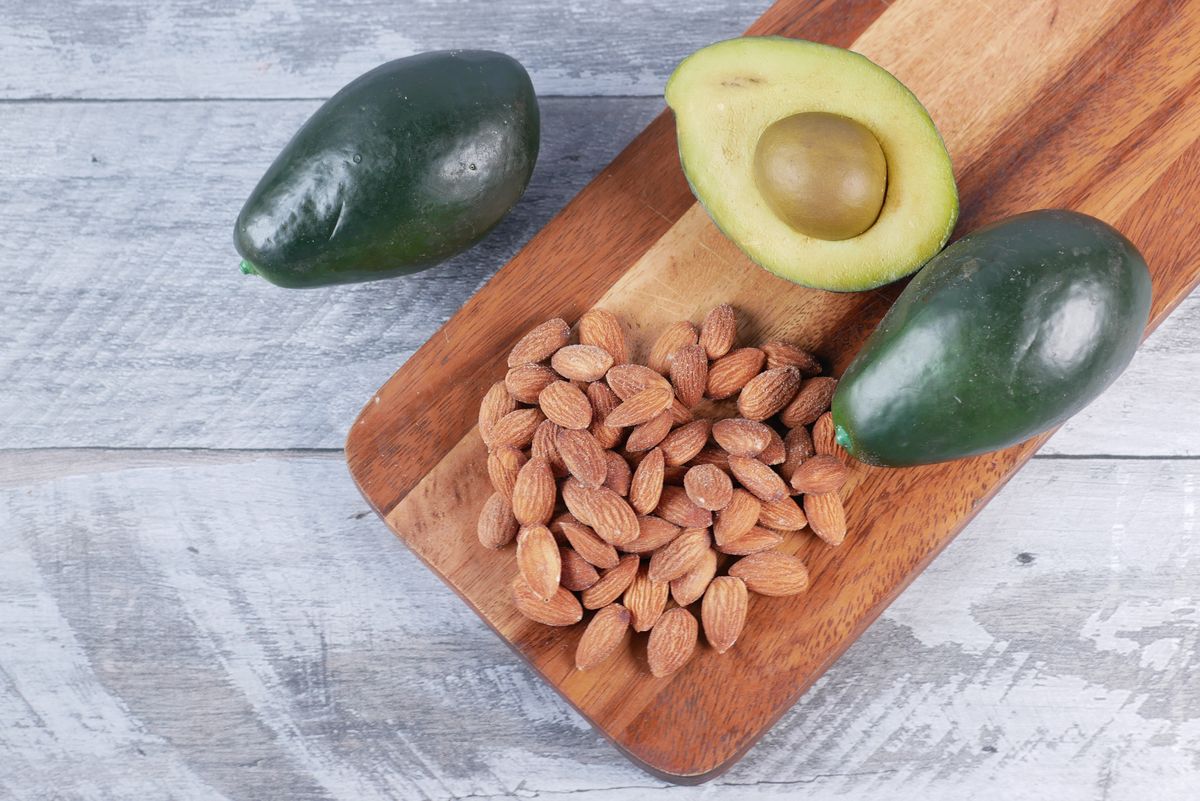
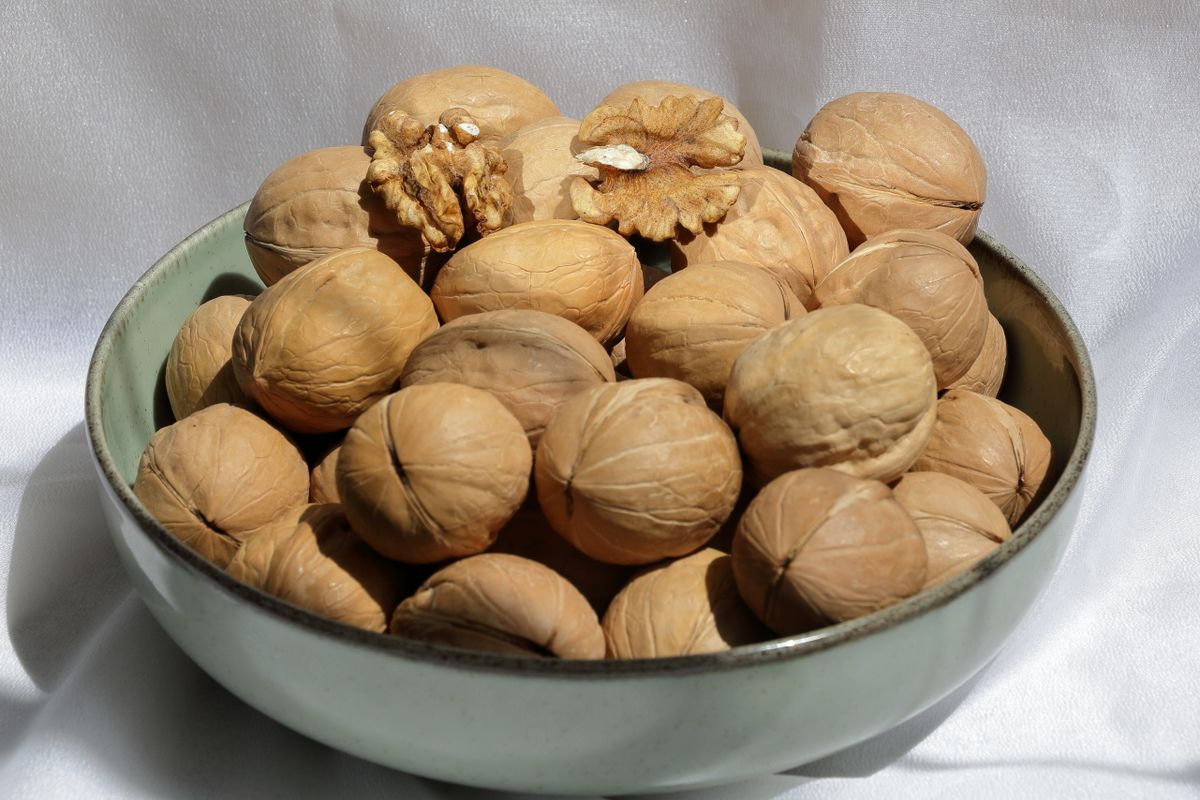
- Walnuts and almonds: rich in omega-3s and plant sterols that help reduce LDL absorption.
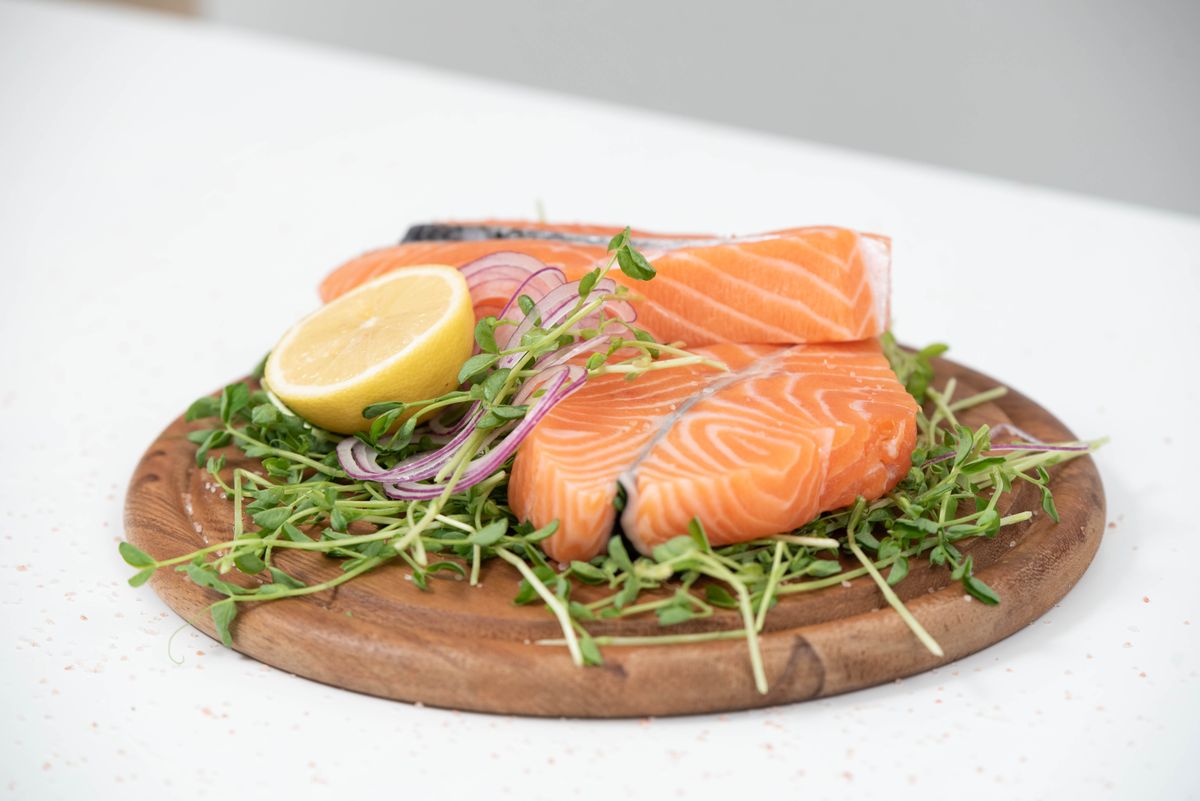
- Fatty fish: salmon and mackerel are effective at lowering triglyceride levels.
- Legumes: chickpeas and lentils provide both soluble fiber and plant protein.
- Olive oil: high in monounsaturated fat, a solid substitute for butter.
The Role of Exercise
At least 150 minutes a week of moderate cardio — brisk walking, cycling, swimming — helps raise HDL ("good cholesterol") while lowering LDL.
Regular exercise also supports weight control; excess weight, particularly fat carried around the abdomen, is an independent risk factor that worsens the overall cholesterol profile.
Common Mistakes
Trying to lower cholesterol by simply cutting out eggs or red meat is a common misconception; what actually matters most is total saturated and trans fat intake, not any single food.
Stopping statin medication without consulting a doctor is another frequent mistake; LDL levels can rebound quickly once the medication is discontinued.
When to See a Doctor
Anyone with a family history of early heart attacks, everyone over 40, and smokers should get a yearly lipid panel even without symptoms, since high cholesterol usually shows no warning signs and only shows up on a test.
If LDL still hasn’t reached target after three months of lifestyle changes, a doctor will typically discuss statins or another medication; that doesn’t mean the lifestyle effort was wasted, only that extra support is needed.
Cholesterol levels usually cause no symptoms, which is why getting a regular lipid panel from age 20 onward matters. Combining diet, exercise and medication when needed can meaningfully lower cardiovascular risk; small, consistent changes tend to deliver far more lasting results than short bursts of strict dieting. Habits maintained over years offer far more reliable protection than any single radical change.