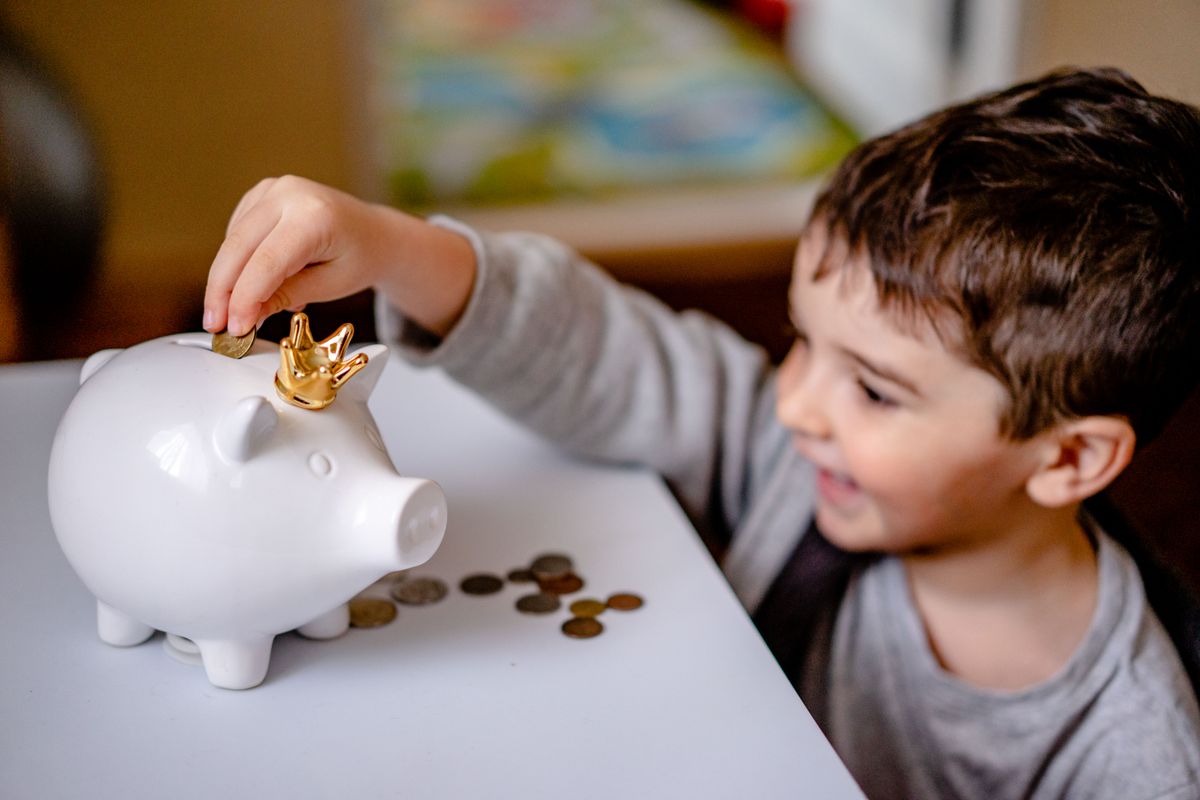
A child spending the very first coin handed to them is actually the real starting point of financial education. This skill, rarely taught in schools, is shaped mostly at home through small daily decisions — and the earlier it starts, the healthier the money habits carried into adulthood.
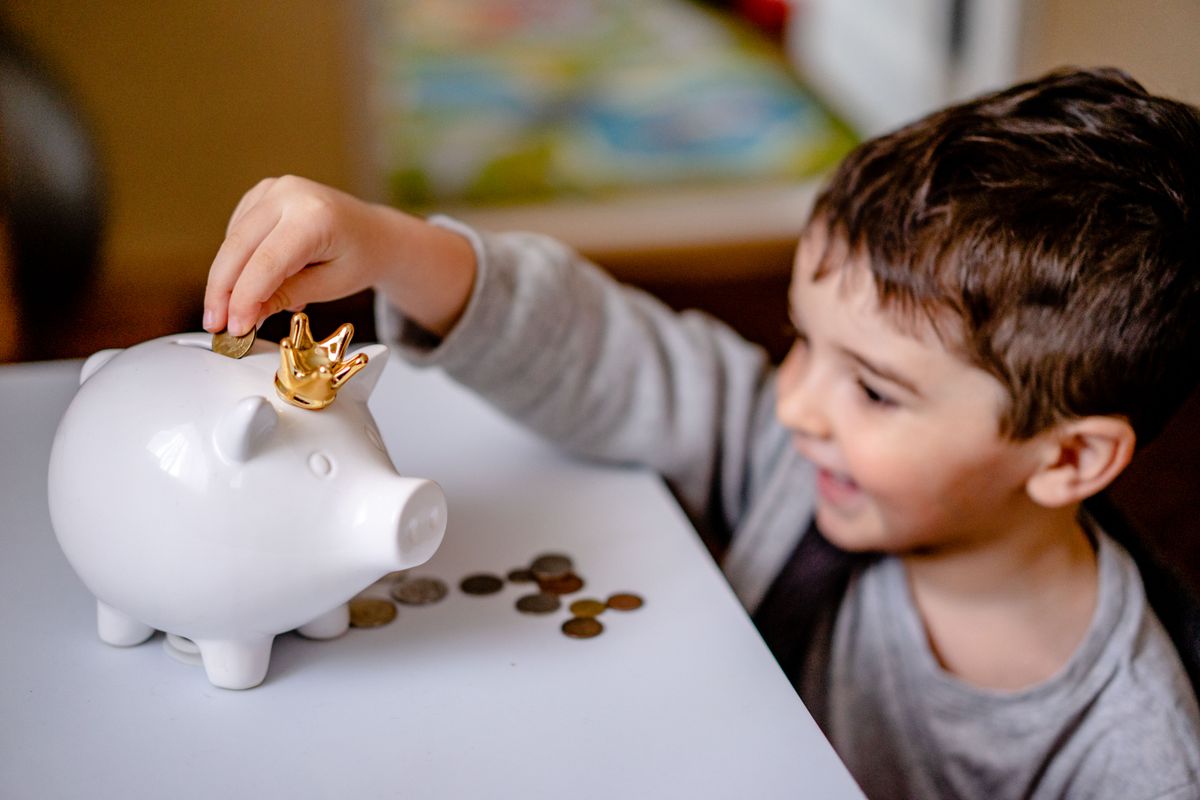
What to Teach at Each Age
In preschool, the point isn't money itself but the concept of "limited resources": seeing that buying one toy means giving up something else. In elementary years, giving a regular, small allowance lets a child make and learn from their own mistakes — making a five-dollar mistake young is far cheaper than making a fifty-thousand-dollar one in your twenties. By adolescence, concrete concepts like a bank account, simple budgeting, and how savings grow can enter the picture.
The Power of Delayed Gratification
Stanford's famous marshmallow experiment showed that children able to delay an immediate reward went on to greater academic and social success years later. A child who chooses to save their allowance for something bigger instead of spending it immediately is building that same delayed-gratification muscle. The parent's role here isn't to hand over the right answer, but to let the child safely experience the consequences of their own choice — both the good and the bad.